Increasing safety, high information security, minimizing the risk of fraud, stealing card information (skimming) … are the outstanding advantages that chip technology cards bring.
Recently, banks have been offering ATM cards based on domestic VCCS card standards, complying with EMV international standards as well as increasing communication to their customers about this conversion.
Why should you use ATM card chip technology?
Magnetic cards have a relatively low level of information security because the information stored on the magnetic strip on the back of the card is not encrypted. When customers insert a card into an ATM or swipe a card on a POS machine, the information stored in the magnetic strip will be read by the readers in the machine, so with just a common magnetic swipe device, an intruder can easily. easy to steal card information, then it is also easy to create fake cards with copied information, at the same time attaching sneaky devices to record the PIN operation of customers and that is enough for crooks to have Stealing money from customers’ accounts. This is a fairly common crime, often called skimming.
But with EMV standard chip cards, electronic chip-attached cards are designed to prevent skimming fraud thanks to the ability to store and encrypt information with high security.
Chip cards help minimize skimming
Accordingly, the EMV chip will generate new data every time the customer makes a transaction. When you use the EMV chip technology card at a card reader, the card will generate a unique encryption string just for that transaction. This encryption cannot be used for another transaction because it is created from a combination of information contained in the chip and information contained in the card reader. That means, you will not have to worry about the card information being copied because it is encrypted, combined with your own PIN, the risk of fraud is minimized.
A successful EMV card transaction will go through a complex two-way authentication step from the card receiving device to the payment bank, via Napas card payment gateway and the issuing bank. Only when approved by all relevant organizations, will the transaction be successful.
According to information from Napas, there are currently 7 commercial banks coordinating with Napas successfully deploying the issuance and acceptance of domestic chip card payment.
At the request of the SBV, in 2019, banks must convert at least 30% of the cards from domestic chip cards, and the deadline for a complete conversion to chip card technology is the end of 2021.
One of the major challenges for this transition is the large cost, not only of the high cost of infrastructure upgrades to meet the new standard, but also due to the higher price of chip cards. 5-7 times compared with a magnetic card, making both customers and banks hesitant to spend money to transfer. However, many banks said that they will seriously comply with the SBV’s request for the card conversion schedule.
TienPhongBank (TPBank) is the pioneer bank that has started the pilot implementation since October 2018 and officially released to all EMV ATM card customers from June 1, 2019, under the name Smart ATM Card. 24/7. Not only that, the Bank has also completed the conversion and upgrading so that all ATMs, POS, and LiveBank accept domestic chip cards.
It is expected that by the end of 2019, about 35% – 40% of TPBank’s domestic cards will use standard chip cards, and we strive to complete the conversion to chip cards for all customers in 2020.
Owning 24/7 Smart ATM card, customers can not only experience new, more secure chip cards for transactions at traditional ATMs and POSs, but also can be used at LiveBank, banking models. automatically of TPBank to look up accounts, withdraw money, deposit money, perform money transfer, deposit, online savings… at any time. In particular, all cash withdrawal transactions with TPBank domestic cards at ATMs of most banks, as well as transactions of depositing and withdrawing money at TPBank LiveBank in Vietnam are free.
Source: Vietnam Banking Association
Other News

Bustling conversion of magnetic cards to chip cards
The change from magnetic card to chip card will limit the situation of criminals stealing card data to make fake cards to withdraw money … “The cost to produce a chip card is about 8 to 10 times higher than that of making a card, so with the existing number of existing customers using our
Details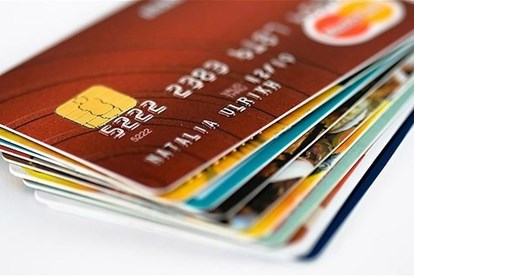
Conversion of chip cards – one of the major goals of the State Bank
According to the SBV’s roadmap specified in Circular No. 41/2018 / TT-NHNN, by the end of 2020, 100% of ATMs and card acceptance devices at point of sale operating in Vietnam of card payment institutions must Comply with local standard chip card. The first domestic chip cards from Vietnam were officially launched on May 28,
Details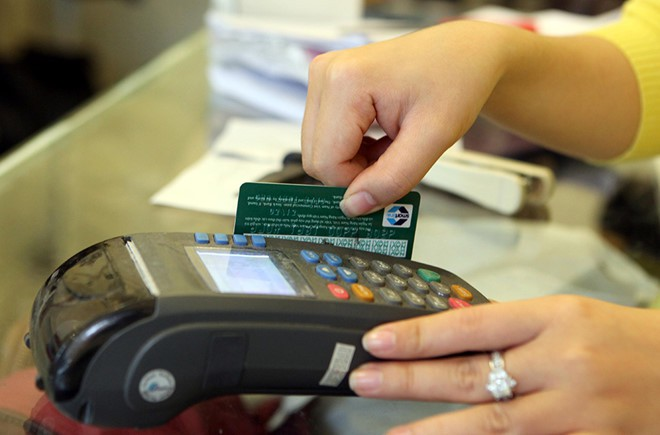
Pressure to convert magnetic card into chip card
Vietnam National Payment Joint Stock Company (NAPAS) has just speeded up the roadmap to reduce money transfer fees from 47 to 100% for banks. This is a good sign for the market but whether banks will reduce fees for customers or not is unknown. Reducing fees, speeding up the conversion of magnetic cards to chips
Details
Things to know when replacing paper health insurance cards with electronic cards
From 2020, the current paper health insurance card will be replaced by electronic cards. According to the roadmap, at the latest on January 1, 2020, the social insurance agency (social insurance) must issue an electronic health insurance card (health insurance) for participants of health insurance. According to Vietnam Social Insurance, an electronic health insurance card
Details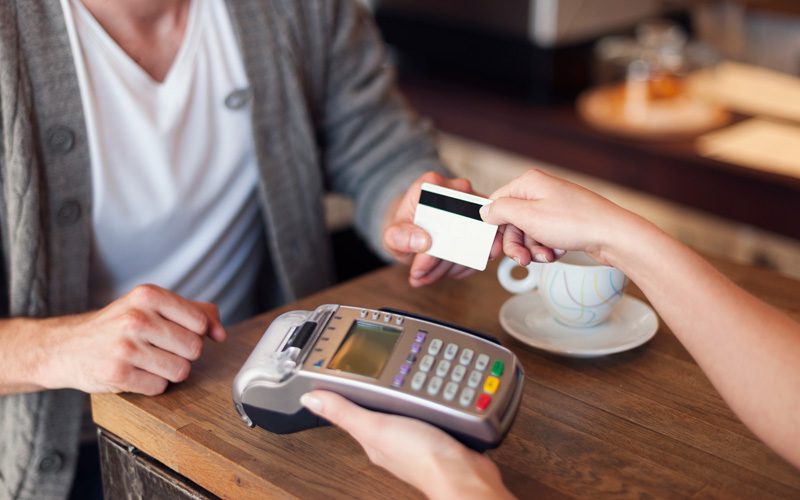
What is a POS (Point of Sale)? Ways of payment via POS
POS machines (English: Point of Sale) are devices that accept card payment, POS machines will connect to the Internet with the bank to make payments when requested from customers. POS Machine (Point of Sale) Concept POS machine in English is Point of Sale. Point of Sale POS (Point of Sale) is the machine that accepts
Details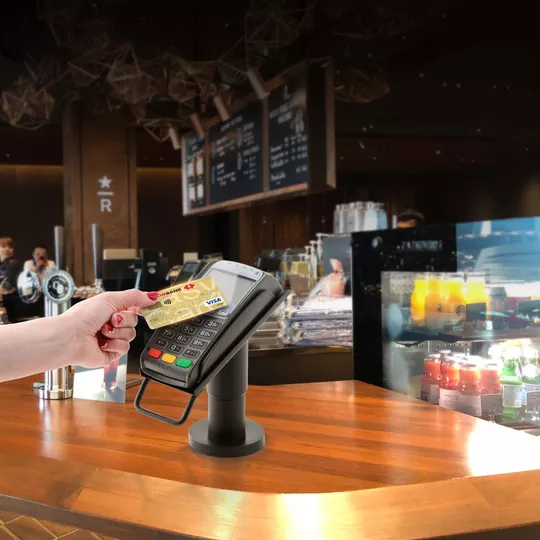
Thanh toán không dùng tiền mặt: giảm rủi ro, phòng dịch Covid-19
Ngay đầu năm 2020, Thống đốc Ngân hàng Nhà nước (NHNN) đã ban hành Chỉ thị số 01/CT-NHNN yêu cầu ngành ngân hàng phải đẩy mạnh thanh toán không dùng tiền mặt, đặc biệt là thanh toán qua ngân hàng đối với các dịch vụ công Đến nay, Techcombank đang là ngân hàng (NH) thương
Details