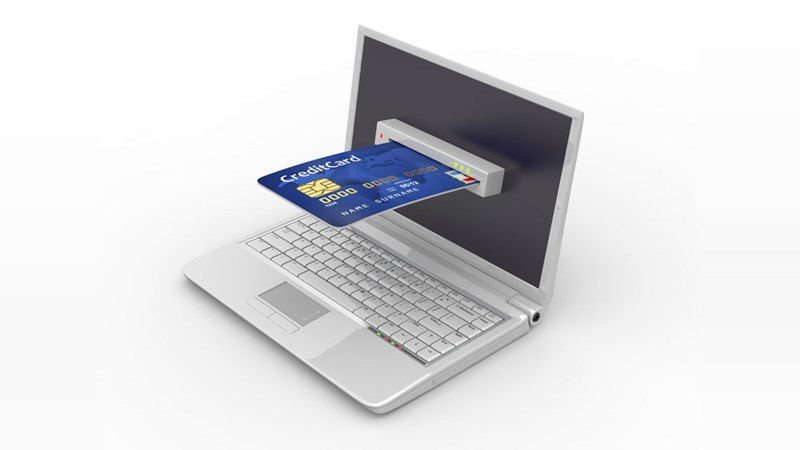
The rapid development of modern information technology creates digital banking – a new trend for future retail banks. Because it is quite new in Vietnam compared to developed countries, the number of digital banks in Vietnam is still modest. Digital banking offers new opportunities for commercial banks but also presents challenges to overcome for regulators. The article discusses the current situation and proposes a number of solutions to promote the development of digital banking in Vietnam in the coming time.
The benefits of digital banking
Digital banking is a business model that relies heavily on electronic platforms and data to sell banking products and services. The explosion of information technology (IT) has led to the development of digital banking which has brought many benefits to both banks and customers.
Compared to traditional banks, digital banks help consumers save time, costs and effort when paying for electricity, water bills, online shopping without having to take place.
At the same time, with the support from technology, digital banking services can better serve many customers, even those in remote areas, helping the bank to improve its competitive edge. compete effectively with competitors. Digital banking also helps create unique, high-value products to meet a variety of customers.
The development and putting into use of digital banking bring many practical benefits for banks. As income from credit activities declines, developing products and services based on digital technology creates conditions for many banks to increase the proportion of revenue in the total profit.
Specifically, experts said that the application of digital technology to banking operations will increase costs by about 31% but also increase net profit by about 43%.
Figures published at Vietnam Retail Banking Forum 2017 under the theme “The future of retail banking and payment services during the Fourth Industrial Revolution” show that in 2018, there will be 44% of sales. Banking revenue comes from digital banking services.
The application of digital technology also helps the bank increase 45% of profit opportunities in the retail segment, reduce costs, improve service quality, thereby maintaining a sustainable competitive advantage compared to competitors. inability to compete digitizing feature throughout.
At the same time, the Bank also launched the groundbreaking QuickPay application (payment and transfer of money by QR code on mobile phones), helping retailers and users to conduct transactions on mobile phones. Quick, convenient way.
TPBank also leads the market in payment field with the new generation mPOS (mobile card accepting machine), meeting the latest international standards for safety and security …
Barriers pose
Although digital banking has made strides and brought many benefits, it is also posing challenges for banks, namely:
Firstly, the development of digital banking in Vietnam is only at an early stage, the current legal corridor has many regulations incompatible with the context of digitizing services, and has not really promoted digital banking development. , payment number.
In particular, the legal framework for new issues such as consumer protection in the field of finance, protection of user data privacy, open connectivity standards, data sharing, electronic customer identification (eKYC) … has not yet been issued to give banks and intermediary payment institutions peace of mind.
In addition, the difficult problem when switching to digital transactions is user authentication, because using digital banking will limit direct contact between customers and bank employees. Ask specific technology platforms such as biometric authentication systems, electronic identity cards, digital signatures as well as relevant legal issues to meet the requirements.
Some suggested solutions
On the side of regulatory agencies:
– Need to complete the legal corridor to encourage the development of digital banking. Accordingly, the centralized management agency completes state regulations on security and safety, applies international standards on safety, information security, enhances inspection and supervision of card payment, and pushes. Strong communication about confidentiality, vigilance and caution in customers.
It is necessary to have close coordination between the State Bank and the police agency in clarifying the causes, fraudulent acts, warning credit institutions and users to improve security.
Digital banking development trend in Vietnam
Taking advantage of the trend of digital banking, many Vietnamese banks, regardless of their size, are gradually researching and offering modern and convenient services in the race to improve their competitiveness and attract customers. and occupy market share.
More than 6 years ago, TPBank (then Tienphong Bank) – was facing the risk of restructuring, now, after only a short time, this bank has had a “makeover” to become a in growth banks with incredible speed and promising financial indicators.
To do that, one of its strategies is to focus on developing digital banking. In 2017, TPBank launched a LiveBank (automated banking) transaction center to serve 24/7, allowing customers to interact with devices to perform many types of transactions.
Other News
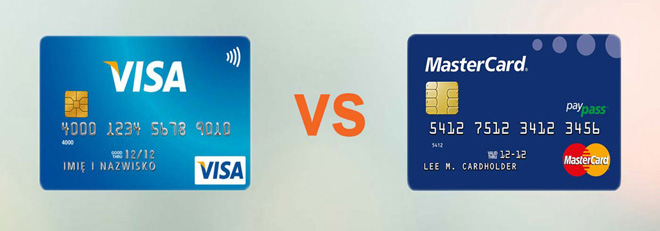
What is the difference between a Mastercard and a Visa card? What type of card should use?
Mastercard and Visa cards are two popular international payment cards lines in the world today. But what is the difference between a Mastercard and a Visa card that is so popular? Join us in the article below. 1. Differentiate Mastercard from Visa card Visa card is an international payment card issued by Visa International Service
Details
Covid-19 season, super convenient shopping thanks to online payment
From shopping all kinds of goods, ordering food regardless of the morning … to paying the daily bills through online utility applications are all very popular in modern life, especially in times of social isolation space today. No need to step out of the house, just a smartphone or a computer, you can freely choose
Details
Why you need to use an ATM chip card ?
Increasing safety, high information security, minimizing the risk of fraud, stealing card information (skimming) … are the outstanding advantages that chip technology cards bring. Recently, banks have been offering ATM cards based on domestic VCCS card standards, complying with EMV international standards as well as increasing communication to their customers about this conversion. Why should
Details
Promote comprehensive cash-free economic development platform
Non-cash payment is an inevitable development trend that will create a multidimensional impact, both bringing convenience to the people, creating economic growth momentum and being encouraged to promote. In early 2020, the Prime Minister approved the National Comprehensive Financial Strategy to 2025, with orientations to 2030 in Decision 149 / QD-TTg. The strategy is considered
Details
Smart card trend in the world
Many countries around the world have been converting smart card usage into many different service industries such as Sim cards integrated payment in telecommunications, applications in automating bus ticket payment. , tram in the transport, electronic identity cards in the field of state management or the type of payment card of the banking industry ….
Details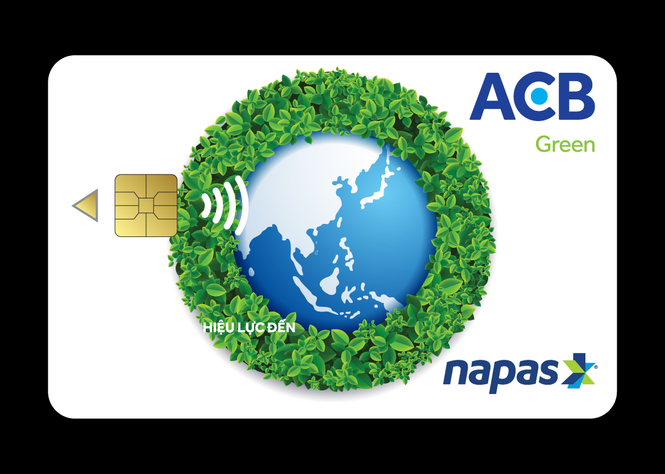
Transact safer with ACB Green domestic debit card
Catching up with the 4.0 technology trend, the ACB Green domestic debit card according to VCCS standard (Vietnamese chip card technical standard) is deployed to apply contactless technology (contactless payment) to provide a quality experience. quality for young people. Safety and high security As one of the pioneering banks to grasp the inevitable trend of
Details