Vietnam has 41 banks with the current number of magnetic cards at about 75 million; nearly 280,000 POS machines – most of them have complied with the Chip Card Standard (EMV) and the upgrade to support the local chip card standard is not too complicated.
Safety, security, multi utilities
According to EMVCo data, as of the fourth quarter of 2018, the global rate of EMV Card-present card transactions accounted for 73.6% and the conversion to chip cards is an inevitable trend. For example, Malaysia completed the conversion to chip cards by the end of 2018. Even though it has converted chip cards according to national standards, recently, Malaysia has continued to carry out the conversion according to the common EMV standard. Or in the US, the country has conducted a switch to chip cards within the past 3 years.
In Vietnam, besides gradually changing from a magnetic card to a chip card, payment methods in the form of waving cards, swiping phones, scanning QR codes … or contactless also thrive in 2 years ago. According to a Visa study, during the period of July 1, 2017 – May 31, 2018, the growth rate of the number of contactless transactions in Vietnam reached 44% per month. Transaction speed with contactless Visa cards increased by 43% every month over the same period.
In addition, a survey of consumers’ payment attitudes received positive results, when more than half of Vietnamese had known contactless payment technology, 30% of them had used and over 2 / 3 is willing to try this form of cash replacement in the future.
This shows that the conversion of magnetic cards to chip cards will continue to be promoted in the future, especially when the magnetic card technology is quite outdated, criminals can easily attach devices (skimming) on. ATMs to steal data, fake cards, withdraw money like some cases happened in the past. Therefore, it is indispensable to apply technology to limit security risks and banks have plans to convert magnetic cards into chip cards.
Mr. Nguyen Quang Minh, Deputy General Director of Napas said: “The conversion of magnetic cards to chip cards will limit the risk of copying and stealing card information to make counterfeit cards to withdraw money at ATMs today. Statistics show that the rate of counterfeit transactions dramatically decreased when switching from a magnetic card to a chip card. ”
In addition, Mr. Minh shared, replacing magnetic cards with chip cards brings many benefits, such as making payment transactions safer and more secure, and opening favorable conditions for banks. Develop new and modern payment features for domestic card products, increase the competitiveness of payment cards in the Vietnamese market.
Nevertheless, Mr. Minh recommends that, according to the experience of the previous countries, the biggest difficulty is that the conversion process is prolonged, exceeding the initial set roadmap, leading to asynchronous and untreated infrastructure. thoroughly manage security and anti-fraud issues in payment transactions. Therefore, the participants need to commit to the conversion closely following the schedule given by the State Bank.
The legal corridor is ready
Talking to Securities Investment, Mr. Minh said that the banking industry is one of the leading sectors in proactively applying the achievements of the 4.0 Technology Revolution to improve service quality and increase utilities for customers, promote cashless payments. Besides, with the legal framework ready, this will be a platform for modern banking trends to strongly develop in the coming time.
Specifically, on October 5, 2018, the Governor of the SBV signed Decision No. 1927 / QD-NHNN announcing the technical requirements for domestic payment cards using contactless and contactless chip technology in Vietnam. basic standards (TCCS) for domestic chip cards (referred to as TCCS for domestic chip cards). The application of chip card standards will increase many features and utilities for customers, making an important contribution to the promotion of cashless payment, thanks to changes in technology, safety level, security compared to previous magnetic cards.
In order to complete the legal framework for applying the TCCS on domestic chip cards as a basis for credit institutions to implement, on December 28, 2018, the Governor of the SBV issued Circular No. 41 / TT-NHNN on amendments. , supplementing a number of articles of Circular No. 19/2016 / TT-NHNN of June 30, 2019, providing for bank card activities (Circular 41), including: Card issuers and organizations Card payment institutions must comply with the TCCS on domestic chip cards when issuing cards when having BINs issued by the State Bank and applicable to ATMs and card-accepting devices at the point of sale of card payment organizations; stipulate the roadmap for conversion from magnetic to chip cards for card issuers and card payment.
On March 13, 2019, the SBV issued Official Letter No. 1524 / NHNN-TT requesting card issuers, card payment organizations, card switching organizations and active clearing organizations to make active card transactions. , seriously organize the application of TCCS on domestic chip cards according to the conversion roadmap specified in Circular 41; request the aforesaid entities to ensure the card operation is continuous, stable and safe while ensuring the legitimate rights and interests of the cardholder during the conversion process. The State Bank also encourages card issuers and card payment organizations to complete the implementation of the TCCS on domestic chip cards ahead of schedule.
In fact, service businesses have introduced “swipe” and “touch” technology in payment activities, especially for small and micro enterprises and individual business households due to the relatively low implementation cost. This will improve sales and service quality. For example, in the last 1 -2 years, consumers have applied a non-touch payment method through Samsung Pay, QRPay, … at restaurants, supermarkets and retail units.
Mr. Minh said that currently, Napas is supporting the implementation of chip card conversion for the first 7 banks namely Vietcombank, VietinBank, BIDV, Agribank, TPBank, Sacombank and ABBank including the implementation of card and card issuance systems. Accept tokens, applications to connect with Napas.
“Vietnam has 41 banks with the current number of magnetic stripe cards is about 75 million; 280,000 POS devices, most of them have complied with EMV standards and the upgrade to support the local chip card standard is not too complicated, ”Mr. Minh said, adding that Napas continues to support new suppliers. in the field of cards and card acceptance equipment to evaluate and offer products that comply with local VCCS chip card standards. Since then, banks can quickly and easily select the available products, in order to save time and conversion costs.
(Source: Securities Investment Review)
Other News

The first 7 banks converted magnetic cards into local chip cards
On the afternoon of May 28, Vietnam Bank Card Association cooperated with Vietnam National Payment Joint Stock Company (Napas) along with 7 banks namely Vietcombank, BIDV, Agribank, VietinBank, Sacombank, ABBank and TPBank announced launch of local chip card products of banks. Speaking at the event, Ms. Nguyen Tu Anh, Napas President, said that converting magnetic
Details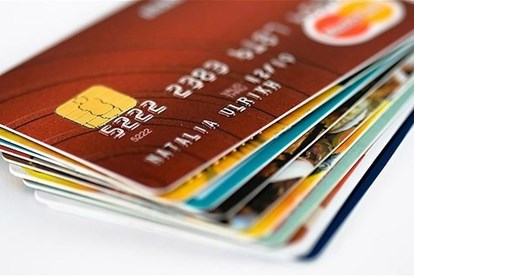
Converting magnetic card to chip card: What is the benefit for users?
According to the plan, from May 28, Vietnam ATM card market will switch from magnetic card technology to chip card. The first seven banks to carry out the transformation are Vietcombank, VietinBank, BIDV, Agribank, Sacombank, TPBank and ABBank. Minimize the risk of losing money due to data theft and card counterfeiting Mr. Nguyen Quang Minh
Details
Vietcombank miễn phí phát hành thẻ ghi nợ
Ngân hàng Vietcombank vừa triển khai chương trình “Miễn phí phát hành thẻ ghi nợ” nhằm tri ân khách hàng. Theo đó, chương trình sẽ diễn ra từ ngày 1/4 đến hết ngày 31/05 nhân dịp kỷ niệm 57 năm thành lập Vietcombank. Đối tượng áp dụng miễn phí là khách hàng chưa từng có thẻ ghi nợ nào
Details
5 Golden rules to help you use your ATM card safely
Most ATM cards in use today mainly use magnetic technology. With this technology, the card information has been hacked and changed easily … The advent of ATM has created a major breakthrough, completely changing the trading habits of Vietnamese people. Until now, the ATM card has become a familiar tool, “the object of separation” with
Details
Dịch Covid-19 ảnh hưởng thế nào đến ngành công nghệ toàn cầu?
Virus Corona chủng mới gây dịch Covid-19 đang giáng một đòn nặng vào nền kinh tế toàn cầu với hậu quả cực kỳ nghiêm trọng, vượt xa các trận dịch trước đây. Năm 2003, khi đại dịch SARS bùng phát ở Trung Quốc rồi lan ra cả thế giới (làm 8.096 người nhiễm bệnh và gây tử vong cho 774 người) đã làm
Details
Pressure to convert magnetic card into chip card
Vietnam National Payment Joint Stock Company (NAPAS) has just speeded up the roadmap to reduce money transfer fees from 47 to 100% for banks. This is a good sign for the market but whether banks will reduce fees for customers or not is unknown. Reducing fees, speeding up the conversion of magnetic cards to chips
Details