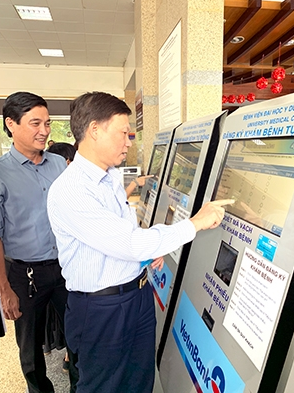
Making a cashless payment has many benefits compared to using cash such as: Safe, fast, accurate, and transparent. Patients also save time, thereby increasing access to health services.
Up to now, 100% of hospitals have implemented the application of information technology (IT) in hospital management at different levels, some hospitals have initially implemented electronic medical records, not using them. paper medical records; 99.5% of medical examination and treatment facilities across the country have been connected with the inspection system of Vietnam Social Insurance. In administrative modernization, the Ministry of Health has achieved the targets assigned by the Government, has implemented many online services at level 3 and level 4, cutting many administrative procedures, facilitating for businesses. A number of national-scale health information systems have been implemented such as: Immunization information management system, Pharmaceutical data banking system, Specialized population-planning management information system Family, Electronic health statistics system, Electronic health record management system …
It can be affirmed that the health sector has stepped up IT application, ensuring technical infrastructure to enhance management, improve service quality and people’s satisfaction in the field of public administration and examination. , treat and prevent diseases, improve health and train medical and pharmaceutical personnel. The results of IT application in health have created an important breakthrough to transform medical digitization, especially hospital digitization, towards smart hospitals; At the same time, this is also an important platform to deploy e-payment for public administrative services, hospital fees …
Implementing Resolution No. 02 / NQ-CP dated January 1, 2019 of the Government on continuing to perform key tasks and solutions to improve the business environment, enhance national competitiveness in 2019 and Orientation towards 2021, up to now, in the whole health sector, about 30 hospitals have implemented non-cash electronic payment and initially achieved some positive results, some hospitals achieved 35% of the total. the number of non-cash hospital fee payment transactions, reducing the overload of waiting areas for hospital fee payment, contributing to increasing patient satisfaction.
However, electronic payment methods in the health sector are still limited such as: The rate of hospitals implementing electronic payment is still low; the connection between banking software, intermediary payment service providers and Hospital Information System (HIS) still faces many difficulties; People do not have the habit of e-payment in most transactions. Currently, there are still 50% of the Vietnamese population without a bank account or electronic payment card; There have not been many solutions to pay non-cash hospital fees for health facilities in remote, mountainous areas; Hospital staff are not fully aware of the benefits and significance of non-cash payment, so the rate of non-cash payment is still low. Another major hurdle is the high fee for non-cash transactions and the hospital does not have financial mechanisms to pay for electronic transactions.
Recognizing the benefits of e-payment and to promote the implementation of non-cash payments in the health sector, the Ministry of Health has implemented a plan to pay for non-cash medical services. The solutions focused on implementing are: Thoroughly understanding the whole meaning of benefits of non-cash electronic payment method; strengthen the leadership of the unit committees and the role of the head of the unit in drastically directing the implementation of non-cash electronic payment.
From the full awareness of the benefits and implications of non-cash payments, units across the industry must have action plans, resources and necessary conditions to implement payment solutions. Electronic cash does not suit the conditions of the unit. Health facilities must take initiative in coordinating with banks and organizations providing lawful intermediary payment services to pay for medical services by non-cash payment method. For medical examination and treatment facilities in urban areas, non-cash payment solutions must be implemented before December 31, 1919 according to the Government’s Resolution No. 02 / NQ-CP of January 1, 2019. .
Health facilities deploy many solutions to help people easily and conveniently pay for non-cash medical services. Publicly announce the account number, guide remittance contents so that people can transfer money to pay for medical services. Preferably on mobile payment solutions, payment through card acceptance devices. For the implementation of payment via QR Code, when deploying, it is necessary to select payment service providers that meet the basic standards TCVN 03: 2018 issued by the State Bank of Vietnam and standards. Information structure of QR Code is regulated by the Ministry of Health. For people who do not have a card, do not have a bank account, health facilities need to coordinate with the bank to implement a convenient, easy and easy non-cash payment solution suitable to the conditions and lifestyle. of people. On the other hand, to enhance communication and guide people on the significance and important utilities of e-payment, contributing to persuading people to abandon the habit of using cash in paying medical service costs. .
The implementation of non-cash payments under the Government’s Resolution is a political task of the health sector. Promoting the achievements gained in the recent past, especially the achievements in IT application; At the same time, overcome the inadequacies and difficulties when implementing electronic payment without cash, we believe that under the direction of the Government, the coordination of ministries, branches and localities, the effort Striving for the advancement of officials in the health sector, the health sector will successfully implement non-cash payment in accordance with the Government’s policy, contributing to building a cashless society – a civilized and modern society.
(Source: People’s Newspaper)
Other News

Electronic payment: boldly move forward so as not to miss a beat
E-payment creates opportunities for people to become more involved in the banking sector, not to miss the opportunities provided by the digital economy. This is an issue exchanged by Deputy Prime Minister Vu Duc Dam in the Forum of Developing E-payment Ecosystem 2019 with the topic ‘Moving with chip technology’ by the State Bank, National
Details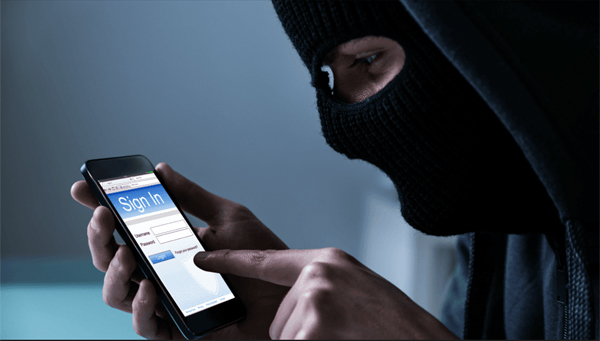
Payment via e-wallet, how to ensure safety and convenience?
Using electronic wallet to pay online instead of cash is becoming a trend of Vietnamese consumers. But technology wallets are also the target of cyber attacks … E-wallet is the target of hackers According to Mr. Le Anh Dung – Deputy Director of Payment Department (State Bank of Vietnam), the State Bank has licensed 37
Details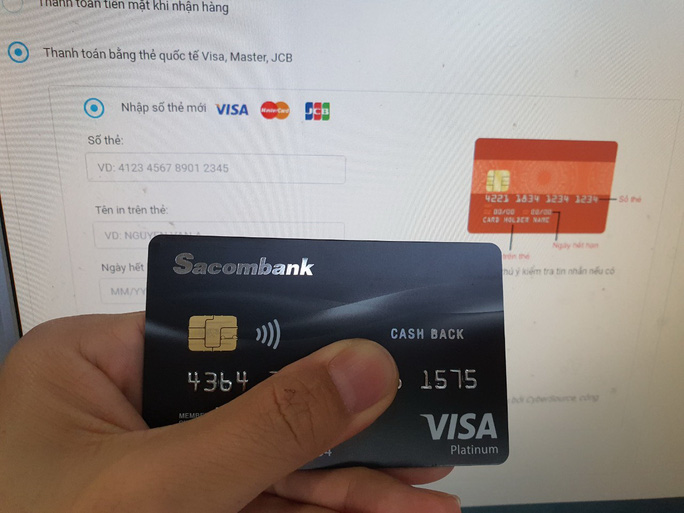
The Covid-19 pandemic created opportunities to promote the development of electronic payments
The time of the Covid-19 pandemic spread was a difficult period for both the economy in general and the banking and financial sector in particular, but it also created an opportunity to promote the growth of electronic payment. . Financial institutions, banks and Fintech companies that take advantage of this difficult period to turn into
Details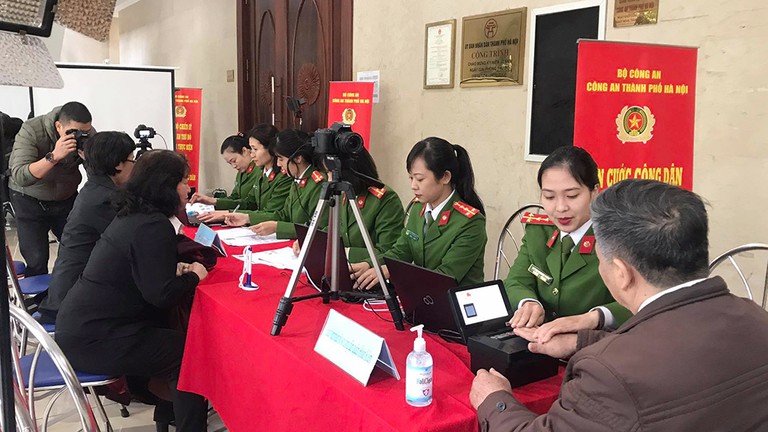
50% discount on citizen identification fee with chip
According to Circular 112/2020 / TT-BTC, the citizen identification fee is reduced by 50% for a period of 6 months, from 1/2021 to the end of June 2021. The Ministry of Finance has just issued Circular No. 112/2020 / TT-BTC guiding the collection of a number of fees and charges to support, overcome difficulties and
Details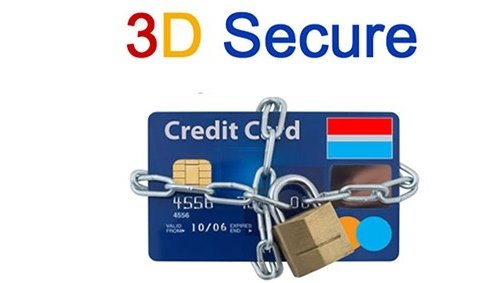
Advantages of 3D-Secure 2.0 security technology
3D-Secure is an extra layer of protection for Vietcombank cardholders to enhance safety, security and convenience when making transactions online. With this method, when performing transactions on e-commerce websites, besides normal authentication steps, Vietcombank will send an additional one-time transaction password (OTP) via text message or email for customers to enter and complete the transaction.
Details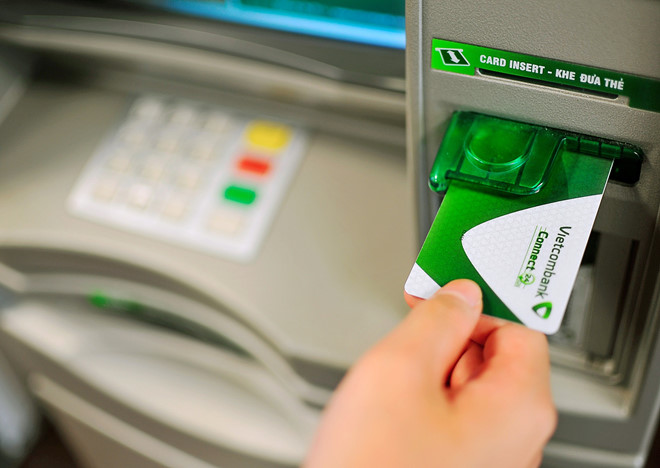
Vietcombank đã chuyển đổi hơn 1 triệu thẻ chip
Bà Nguyễn Hồng Vân – Giám đốc Trung tâm thẻ Ngân hàng TMCP Ngoại thương (Vietcombank) cho biết ngân hàng đã phát hành mới và chuyển đổi gần 1 triệu thẻ Vietcombank Connect24 Chip Contactless (thẻ công nghệ chip và không tiếp xúc). Tính đến ngày 15.2, Vietcombank hoàn thành chuyển đổi 40% ATM đáp ứng tiêu
Details