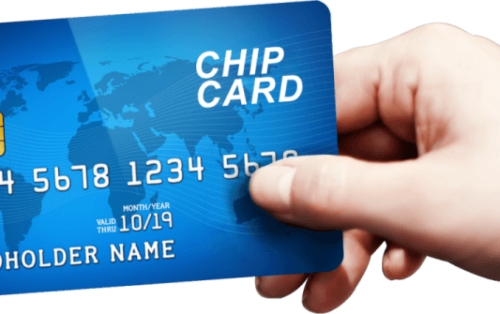
ATM card using electronic chip technology, EMV standard, has been officially launched at 7 commercial banks in Vietnam. To help readers use it conveniently and safely, thoibaonganhang.vn introduces some information and notes for this product.
Technology of Vietnamese chip cards
Chip card is a type of card on which the card has an electronic chip. This technology allows the card to be able to store important information that is encrypted and decrypted only through a control software, built-in to decode the information in the card.
In fact, the first chip cards were born in 1990, but due to the high cost, it was not until 2000, when chip manufacturing technology was developed to lower the cost, that new chip cards became popular in European countries, territories, Taiwan, Malaysia …
The current process of processing chip card technology that the banking industry and payment connection system in Vietnam is implementing is in accordance with the international standard EMV.
EMV, which stands for Europay, MasterCard, and Visa, are the three organizations that have developed and established EMV as a global standard for credit and debit transactions based on chip technology.
EMV is known as the European chip card standard and is recognized and deployed in the system by the card giants in the world such as Visa, MasterCard, JCB and Union Pay.
Types of chip cards
Currently, depending on the chip technology embedded in the cards, it can be divided into two basic types of chip cards: contact and non-contact.
Chip cards with contact
The type of chip card that wants to write, delete or retrieve data on the card must have physical contact between the card and the card reader, that is, the card must be placed in the card slot on the card reader.
The advantage of this type of card is better security than contactless chip cards but slow operation.
Contactless chip cards
This is a chip card with an antenna running around the card body, allowing the chip to communicate with the card reader within the card reading range (about 2-10 cm) instead of having to load into the reader. card.
Thanks to the contactless feature, the contactless chip card is used to meet the needs of convenience and quickness. The processing speed of contactless cards is higher than contact cards. Therefore, contactless cards are often applied in places that need to be processed quickly …
Security
Chip cards with modern security technology will become almost completely safe. The EMV standard maximizes global security and interoperability so that international card lines are accepted around the world.
According to analysis of the “giants” of Visa cards, chip cards with microchip technology, when combined with personal identification numbers (PINs), it has become a solution against fraud and fraud when the card is lost or stolen. steal. The chip card technology also prevents the card from being tampered with, with the unique owner identification PIN.
When used at a point of sale, a transaction confirmation message sent to confirm will not contain any data that can be used to forge chips or make unauthorized transactions by Reuse data collected from previous transactions.
Especially, for travelers around the world, when traveling here, the payment of many places, many points is inevitable. And in case the cardholder is set by the issuing organization as a “PIN priority card”, the PIN must always be used at checkout to verify the true owner. As a result, safety becomes superior to other forms of non-cash payment.
Thus, the replacement of magnetic cards with EMV chip cards will ensure more safety for cardholders, avoiding fraudulent activities that cause damage to customers and banks.
Useful applications integrated with chip cards
Attaching a chip to an ATM card also helps the card store a large amount of owner information. Therefore, the application of the chip card will be expanded, such as support for payment in transportation, smart cities, automatic toll booths and valet parking and low value payments at retail units … increasing convenience for customers.
Mr. Pham Tien Dung, Director of Payment Department, State Bank, added that the domestic chip technology card with EMV standard was deployed, which also allows to store very large data on personal information of users, such as insurance information, health care, transportation … In fact, some countries have integrated multiple applications on the chip.
Singapore, a country that has adopted the EMV Dual Interface standard and started to release in 2017. On March 20, 2017, MasterCard deployed EMV Dual Interface cards on bus and MRT routes, the data recorded to November 30, 2018 had approximately 26,000,000 trips using chip cards, an average of 50,000 trips / day. Thanks to the integration of bank payment and traffic payment on the same chip card, it is very cost effective.
Some countries such as Malaysia, India, China … have been very successful in building the National Common Mobility Card (NCMC) model to pay in transport as well as in retail. Card products integrate EMV Open Loop with store – valued form (plastic card encoded with monetary value on a magnetic strip)
VietinBank is one of the leading banks in deploying chip cards. Sharing the expectations in the future of chip card application, Mr. Tran Cong Quynh Lan, Deputy General Director of VietinBank, said that in the future, the chip of the bank of chip technology can be used as a student card, the card Health insurance, hospital cards … This is a trend in the new era when we take advantage of this great resource.
“It is necessary to exchange, synchronize and standardize the information of the ministries, departments and branches. The bank has initially taken steps to issue chip cards, so that the card can be used more, not only to pay in the banking sector, “said Lan.
Some notes for safe use
For users, the skills to use safely in card payment are extremely important to ensure that the account and card information are not exploited, causing damage. The following are some guidelines to ensure safe use.
1. Users should not write down their passwords (PINs) on paper, notebooks or stored on mobile phones, disclose passwords or lend others cards. Do not set a password with easy-to-guess numbers such as date of birth, identity card number, phone number, license plate …
2. When withdrawing money, users must use their hands to shield the PIN, to avoid revealing the PIN, customers should check whether the card and the money have been collected, wait for the result of transaction to complete before leaving go.
3. While shopping, pay by card at supermarkets, restaurants, hotels, shops … need to pay close attention to the card holder (cashier), to avoid stolen information.
4. Cardholders should use the service of automatic transaction notification and notification of account balances via SMS to know their arising transactions, detect suspicious transactions arising for timely processing.
5. In some unfortunate circumstances, the risk of losing money in the card account is unknown, users should contact the issuing bank to request a card lock and coordinate with the bank providing the Relevant papers for the functional units to guide and support to solve.
Other News
Payment via e-wallet, how to ensure safety and convenience?
Using electronic wallet to pay online instead of cash is becoming a trend of Vietnamese consumers. But technology wallets are also the target of cyber attacks … E-wallet is the target of hackers According to Mr. Le Anh Dung – Deputy Director of Payment Department (State Bank of Vietnam), the State Bank has licensed 37
Details
Breakthrough payment without cash
The SBV Governor has just issued Directive No. 01 / CT-NHNN on organizing the implementation of key tasks of the banking industry in 2020, in which the requirement to promote non-cash payment – a key solution in Resolution 02 of the Government. According to the Directive, implementing the Resolution of the National Assembly on the
Details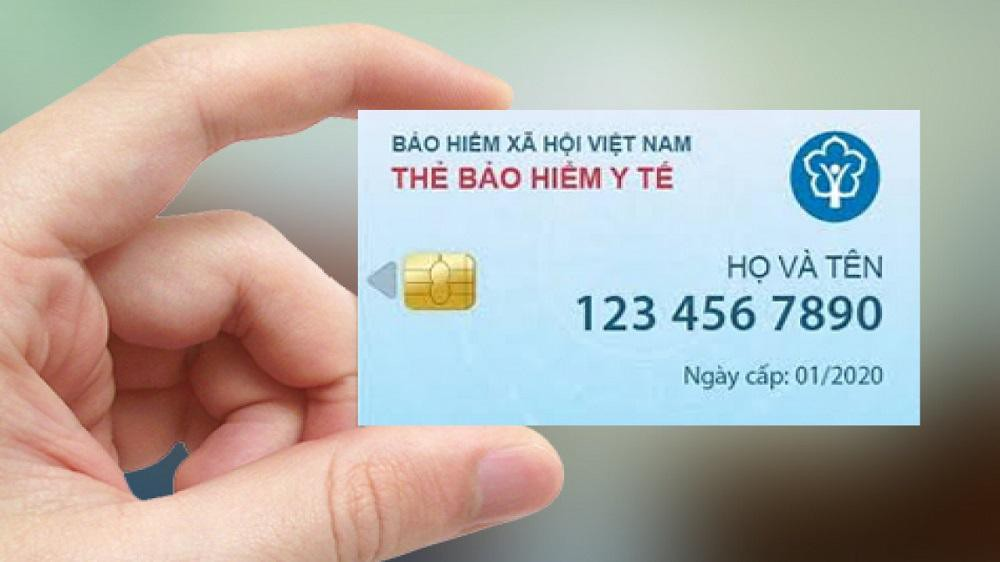
What’s new in 2020 health insurance card?
As previously reported, from January 1, 2020, the social insurance agency issues an electronic health insurance card for participants. So, what are the characteristics of this card? Electronic health insurance card with facial recognition By January 1, 2020, the social insurance agency must issue electronic health insurance cards to the participants of health insurance. At
Details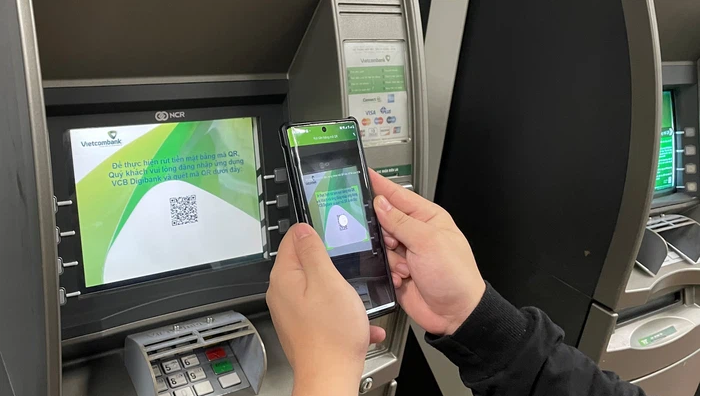
Cash withdrawal at ATMs without using physical cards
Vietcombank applies QR technology to the ATM withdrawal service, helping customers withdraw money easily and quickly without having to carry a card … Vietcombank applies QR technology to its ATM withdrawal service, allowing customers to withdraw money easily and quickly without having to carry a card. Today, all Vietnamese people are no longer familiar with
Details
Penalties for violating traffic laws: Proposal to pay fines via bank chip cards
The handling of violations of traffic safety through bank chip cards is necessary, consistent with the general trend … Each year, millions of cases of administrative violations in the field of transport, with fines of up to thousands of billion. Particularly in the first nine months of 2019, the report of the National Safety Committee
Details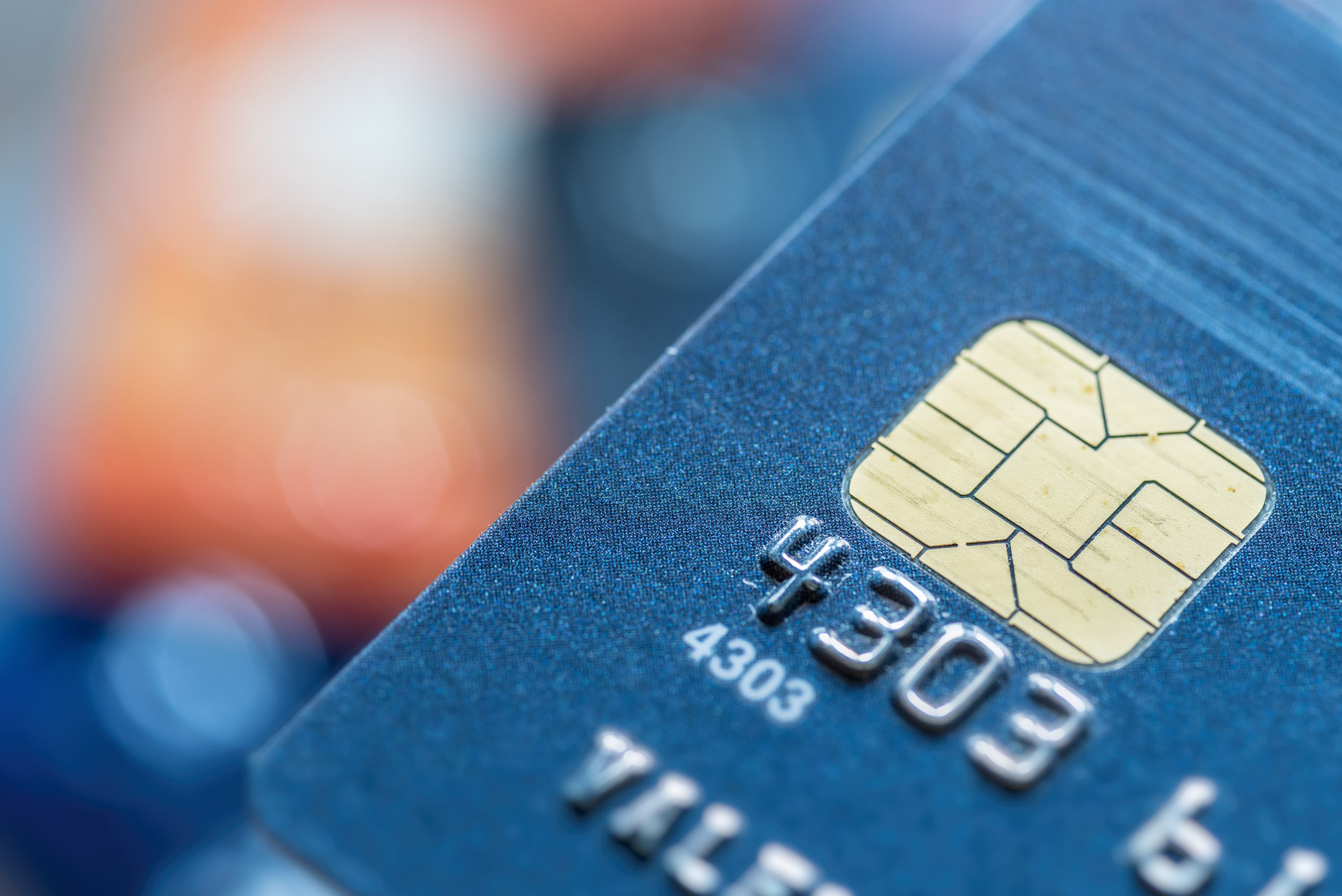
What is a chip card? Why use a chip card instead of a magnetic card?
Chip card (English: Chip card) is a plastic debit or credit card with the standard size and contains a chip located on the front of the card. Chip cards Concept Chip cards in English have many ways to call such as Chip card, smart cards, chip-and-pin cards, chip-and-signature cards, Europay – MasterCard – Visa (EMV)
Details