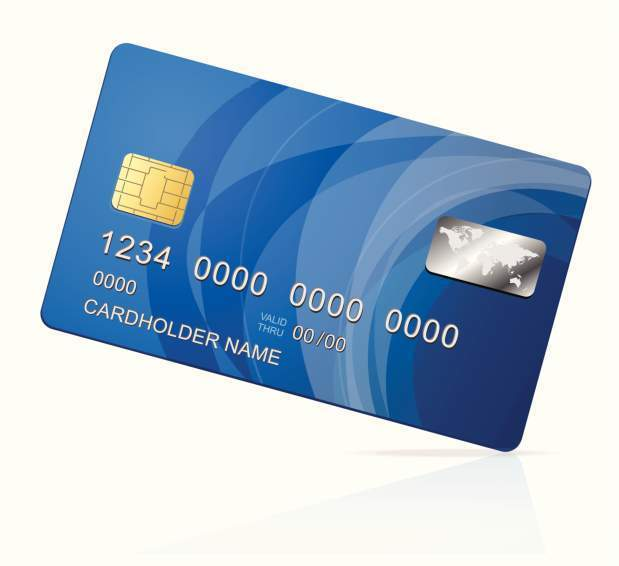
Vietnam National Payment Joint Stock Company (Napas) has officially broadcasted information to start converting magnetic cards into chip cards. This is an effort in the direction and administration of the State Bank of Vietnam as well as Napas – the unit assigned to be the focal point in the plan to convert magnetic cards to chip cards.
Ready to convert about 75 million cards
Since the end of 2018, the SBV has issued Decision No. 1927 / QD-NHNN announcing that the Ministry of Internal Standards on domestic chip cards is an important basis for Napas to implement its mission. Earlier, Napas also completed the construction of a set of standards, successfully built a set of Vietnam chip card standards (VCCS – Vietnam chip card technical standards).
According to Mr. Nguyen Quang Minh – Deputy General Director of Napas, for the first time, the banking industry has a set of common standards for payment card products, which helps banks and card manufacturers to accept cards easily. easy to deploy, helping customers have a consistent payment experience on the payment infrastructure of all banks. Napas has complied with VCCS standards in accordance with international practices and domestic card organizations in countries in the region and the world, ready to evaluate for card products, card acceptance devices and systems. Processing transactions of manufacturers and banks.
At present, Napas and banks have been coordinating to convert cards and devices to accept cards in accordance with the schedule set by the State Bank. With the current number of magnetic cards around 75 million, the number of POS is about 300,000, however, the Napas representative said that most of POS has followed the EMV Standard and the upgrades to support the domestic Card Standard are not. too complicated.
Napas’ role is to switch and electronically offset card transactions to ensure compliance with VCCS standards and have prepared resources and technology infrastructure to support banks in implementation. Napas has a duty to provide technical assistance to banks in the implementation of the technical ministry, providing sufficient information to banks.
To date, many banks have registered with Napas to convert magnetic cards to local chip cards. Currently, Napas is supporting the transformation of the first 7 banks including Vietcombank, VietinBank, BIDV, Agribank, Sacombank, TPBank, ABBank. The transformation includes the implementation of a card issuing system, a card acceptance system, a transaction processing system to connect with Napas.
What do banks and card users benefit?
It is expected that by the end of 2019, 30% of the number of magnetic cards will be converted into chip cards and the conversion will be completed by 2021. The benefits that banks gain when making the conversion are not only immediate but also in the long term such as: Limiting the risk of fraudulent transactions, ensuring security and payment safety for customers.
At the same time contactless chip card (contactless) also extends the ability to integrate payment utilities with other industries, towards a multi-purpose payment card, chip card can integrate payment applications in transportation, insurance, health care, education, pay for public services on the same card.
According to the experience of the countries ahead, the biggest difficulty is that the conversion process is prolonged, exceeding the initial set-out route, leading to asynchronous infrastructure and not fully handling security issues. , against frauds in payment transactions. Therefore, the participants need to commit to the transformation in accordance with the schedule set out by the SBV.
Sharing about the advantages of chip cards, Mr. Nguyen Quang Minh said that the chip cards other than the magnetic card are information inside the encrypted and locked chip that can only be read by the issuing bank. And when you can’t read the data on the card, you can’t fake the card. In particular, contactless chip cards (contactless) will be more convenient than cash payments at fast transaction speeds of only 0.2-0.3 seconds to process transactions, customers when giving payment cards. Touch the POS machine also do not need to enter the PIN or sign for small transactions.
Napas proposes that the payment threshold does not authenticate the cardholder every time of a maximum of 1 million VND, cumulative maximum of 3 million VND. After this threshold, the cardholder must enter a PIN code to re-authenticate the transaction, ensuring safety and convenience for the cardholder as well as requiring bank’s risk management. However, the threshold for payment value will be set by each card issuing bank.
So, does this card conversion spread to other industries? Napas representative said that when designing the project, Napas determined that this conversion will meet current needs and anticipate future needs to meet mobile payment needs such as using cards, using The phone clicks on the POS machine to pay.
The other is ready to integrate multiple applications, the chip is essentially a miniature computer, ready to apply for health, transportation … The trend towards 4.0 is ready to integrate the chip into payment. The domestic chip standard set itself is designed to optimize payment in traffic. The completion speed is less than 300mns, usually 150-200mns, meeting the standards in public transport (under 300mns).
The willingness to pay in delivery
Other News

BIOLOGICAL TECHNOLOGY: SECURITY COURSE OF BANKING IN THE FUTURE
The following article discusses IDEX Biometrics ASA’s Vice President, David Orme about the concerns of Generation Z (those born from 1995 onwards) on online banking security. and the importance of biometric technology to the younger generation. The payment ecosystem continues to grow due to the ever-increasing interest in payment methods. Today, Generation Z is considered
Details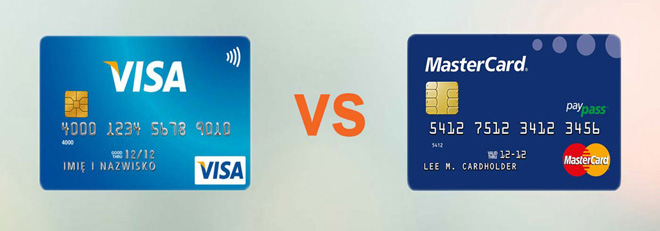
What is the difference between a Mastercard and a Visa card? What type of card should use?
Mastercard and Visa cards are two popular international payment cards lines in the world today. But what is the difference between a Mastercard and a Visa card that is so popular? Join us in the article below. 1. Differentiate Mastercard from Visa card Visa card is an international payment card issued by Visa International Service
Details
Vietnam will soon become a cashless country
That is the affirmation of Mr. Safdar Khan, a veteran member of Mastercard, who has just taken on the role of the Group’s head of emerging markets in Southeast Asia. According to Nikkei, in Asia, in the battle of electronic payment, Visa and Mastercard are facing many challenges when credit cards seem to be losing
Details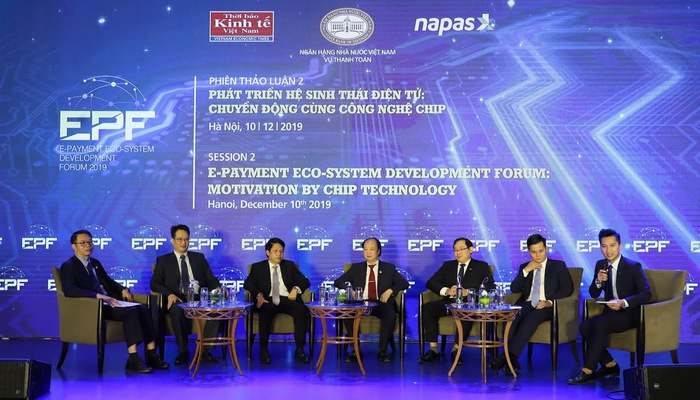
Cashless payment: Need drastic from the state management
Promoting cashless payments requires a specific solution, not just propaganda … “The challenge of slowing the transition from magnetic stripe to chip card, what’s the reason?” is the first issue raised during the discussion at the 2019 Electronic Payment Ecosystem Development Forum: Moving with Chip technology by the Vietnam Economic Times in collaboration with Vietnam
Details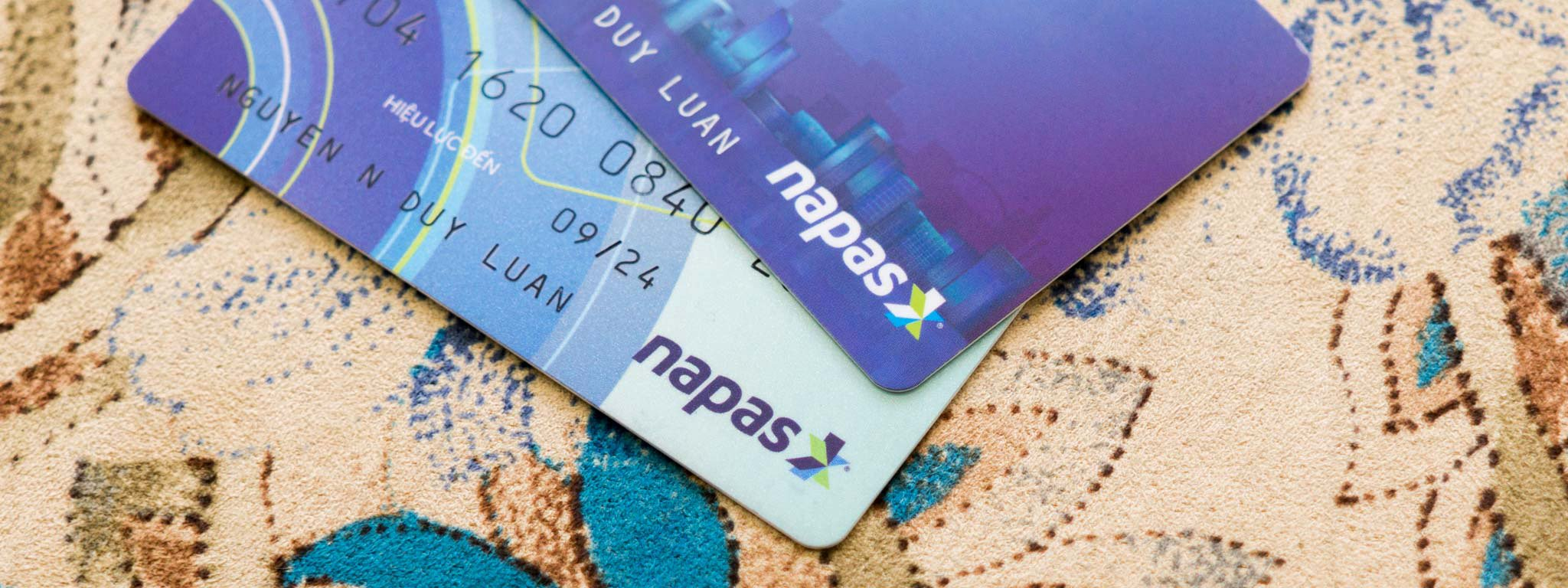
Translation COVID-19 slows down the process of converting magnetic cards to chip cards
Due to the impact of the COVID-19 epidemic, the roadmap for conversion of magnetic cards to chip cards is currently significantly affected, which may be difficult to achieve as planned. Chip card technology using base standards (VCCS) is being invested by banks to focus on safety and integration of utilities for customers when using. However,
Details
Reducing international card fees will promote non-cash payments in Vietnam
According to the Vietnam Banking Association, currently, Vietnamese banks are paying for Visa and MasterCard 3-4 fees per transaction. The situation of “superposition charge” partly affects the card business of banks, hindering the process of promoting non-cash payment. According to statistics, currently Vietnamese banks are paying for Visa, MasterCard 3-4 charges per transaction. The situation
Details