The following article discusses IDEX Biometrics ASA’s Vice President, David Orme about the concerns of Generation Z (those born from 1995 onwards) on online banking security. and the importance of biometric technology to the younger generation.
The payment ecosystem continues to grow due to the ever-increasing interest in payment methods. Today, Generation Z is considered a key driver of growth. It is estimated that by 2020, Generation Z will account for 40% of total consumers, corresponding to 32% of the global population. They will surpass Generation Y (those born between 1980 and 1994), accounting for 31.5%. With increasing purchasing power, Generation Z gradually became a leading force in the consumer market.
A recent IDEX study of Generation Z’s attitude toward online security, banking and biometric technology shows that 79% of people aged 16-24 participating in the survey wanted The bank strengthens measures to protect customers against frauds.
In addition, the youngest consumers in this study are aged 16-17, a target period for many new customers of banks. According to the survey results, 95% of people in this age group said that banks need to strengthen anti-fraud measures for customers.
Concerns about bank fraud
Generation Z is already familiar with the threats of cybercriminals and they seem to be more aware of the risks of fraud. According to the study, 74% of people aged 16-24 said it was too easy to find someone’s personal information online. Similarly, 52% of Generation Z is concerned about the risk of identity theft.
In the focus group of consumer 18-24 recently, I have witnessed a high level of awareness of online banking security. Interestingly, many young consumers not only focus on installing the latest version of banking applications simply because they are new and attractive, but they are also cautious when making decisions and evaluating. first of all the relevance of the services and technology to the individual’s needs and financial needs.
Nikki, 24, from London, was among those who refused to use mobile payment apps, saying: “I only use bank cards to pay for every transaction. I deliberately kept mobile phones separate because I didn’t want the cash to be so convenient. ”
Like Nikki, many Generation Z consumers are more cautious in banking and shopping activities than retailers and banks generally believe. Research shows that, rather than being overly shared personal information, 76% of Generation Z said that they need to be responsible for controlling their data and protecting their own identity information. . Therefore, these consumers expect that banks and service providers will endeavor to bring them a high level of security.
While new challenging banks, such as Monzo and Starling, are increasingly being used by younger consumers, that doesn’t mean Generation Z believes in their security. are the big banks. Michael, a 19-year-old student from London, said: “I feel that online banks must increase security because there is no physical presence. They need to be safer to lead the race. ”
Our study also found a lack of broader trust in banks, as only half of Generation Z consumers said they would be compensated by the bank if anyone That unauthorized access and stealing money from their account. The younger generation expects a higher level of security and accountability from large banks, and as a result these units are driving consumer choices.
The impact of biometric technology on the future of banking security
The research results also show that Generation Z wants banks to apply new technology to deal with card fraud and online fraud. Nearly two-thirds of them say that banks need to provide biometric payment cards to help combat fraud.
In addition, 45% of Generation Z believes that credit and debit cards need the application of biometric technology in payment and ID security. This percentage is even higher at the age of 16-17, with nearly 63% expecting banks to use biometric technology for payment card security purposes. Because large banks often attract so many new customers when they are young, the effort to attract this generation is vital for the industry as a whole.
Therefore, financial institutions must now add biometric technology to the payment card market to attract potential young and loyal customers. In fact, nearly half of Generation Z people will choose a bank that provides biometric payment cards rather than a bank that does not issue this type of card.
Most importantly, Generation Z is willing to pay for additional security features, with 43% saying it will pay a little extra for a biometric payment card, while 33% is willing to pay. 3-5 pounds per month for this product.
Banks cannot ignore Generation Z customers’ needs and demands, as this effort is crucial to the success and future of the financial industry. Taking immediate action and addressing the concerns of the survey participants in this study is an act of increasing importance for major banks. Otherwise, they will soon be left behind by financial technology companies and digital rivals, with faster adaptability and innovation.
So, what are the key points for security efforts? It is clear that customers under 24 today hope to use new and secure biometric technology to increase the security and convenience of payment. Generation Z is sparking a change in consumer behavior and expectations. Banks that can capture and adapt to changing consumer attitudes and deploy digital technologies will not only exist, but also thrive in an increasingly modern digital environment./ .
– According to IFSEC Global –
Other News

Converting a magnetic card to a chip card does not affect customer transactions
Domestic chip cards fully meet the technical factors of safety and security according to EMV international standards, limiting risks of fraudulent frauds in card payment, ensuring payment security for customer. It is also an important platform for integrating and applying for non-cash payment services and services for services such as health, education, transportation, insurance and
Details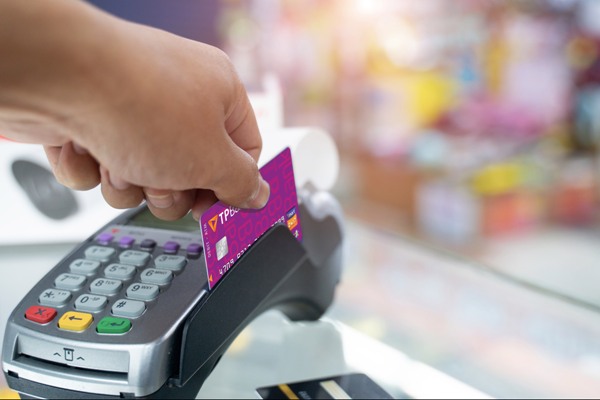
The first Vietnamese bank allowing customers to use domestic cards for transactions in Korea
In addition to international debit cards or credit cards, TPBank has allowed all domestic cardholders to make instant payment and withdrawal transactions in the Korean market. Tien Phong Commercial Joint Stock Bank (TPBank) has successfully implemented the project of 3-party connection between TPBank, Vietnam National Payment Joint Stock Company (NAPAS) and BC Card Company –
Details
The bank changes itself in the digital race
Nam A Bank offers robots and virtual assistants to serve customers while simultaneously improving the eBanking ecosystem, providing a multi-utility experience for customers. In the context of technology development, digital banking application is an indispensable choice of banks, in order to provide safe, effective financial services to meet the diverse needs of users. This is
Details
Thẻ chip bắt đầu thay thẻ từ
Các NH chuyển đổi trong đợt đầu, gồm Vietcombank, VietinBank, BIDV, Agribank, Sacombank, TienphongBank và An Bình, với số lượng thẻ ATM chiếm khoảng 70% tổng số thẻ trên cả nước, chưa kể một số NH khác cũng đang đăng ký chuyển đổi với Công ty CP Thanh toán quốc gia VN (Napas). Việc chuyển
Details
Convert chip cards like … running track and field at SEA Games 30
Vietnamese banks are starting to race to convert magnetic cards into chip cards. This transformation not only fulfills the requirement of the State Bank to be completed in 2020, but also to dominate customers, which are changing daily consumption habits. Swipe cards are about to become outdated, “one touch” is the trend Speaking at the
Details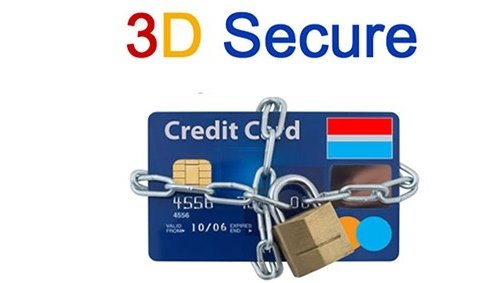
Advantages of 3D-Secure 2.0 security technology
3D-Secure is an extra layer of protection for Vietcombank cardholders to enhance safety, security and convenience when making transactions online. With this method, when performing transactions on e-commerce websites, besides normal authentication steps, Vietcombank will send an additional one-time transaction password (OTP) via text message or email for customers to enter and complete the transaction.
Details