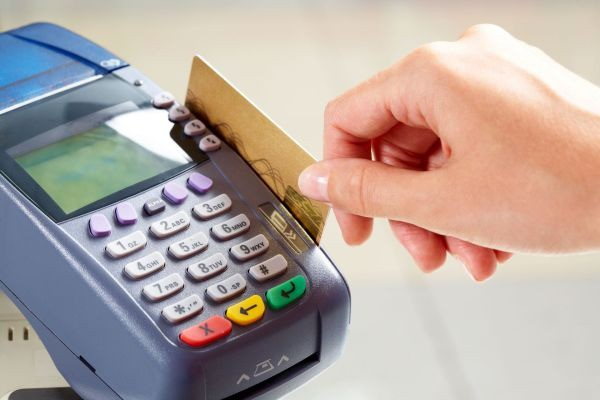
Many people opt for non-cash payments when shopping for goods or services during the time of Covid-19 outbreak. Banks scrambled to lower the floor fee for people to increase their use of electronic banking services.
Change habits, psychology of people
In order to promote cashless payment, the State Bank decided to exempt and reduce service fees from February 25. In particular, free for online payment transactions (online) public services performed on the national public service portal, public service portal of ministries, branches and localities. Particularly for interbank money transfer transactions with small value will be reduced to a minimum of 1,300 VND / transaction. The SBV also encourages payment service suppliers to implement a larger reduction fee than the Vietnam National Payment Joint Stock Company (NAPAS) in order to support the market and implement Resolution No. 01 / NQ-CP and Resolution No. 02 / NQ-CP 2020 of the Government.
The State Bank of Vietnam has just said that it is expected to submit to the Government not to put the limit (49%) in the Draft Non-cash payment Decree to replace Decree 101/2012 / ND-CP. According to experts, if the draft decree is approved, foreign investors can hold 49% higher capital at fintech companies in Vietnam’s payment sector. Thus the competition will be more intense in depth but create an open market and better customer experience.
Currently, banks like TPBank are encouraging customers to use electronic banking products such as Internet Banking, Open Banking … to check balances, transfer money, pay bills, pay cards, and save without have to go to the bank. Or SCB free annual fee of eBanking and SMS of changing balance; free quick money transfer 24/7, pay bills and pay for other utilities … Previously, Techcombank also applied the “Zero Free” policy to all online transactions via F @ st I- bank and F @ st mobile …
Not difficult to see on the counter at stores, supermarkets … is a series of notice boards accepting payment by card, by electronic wallet, QR code … from many different suppliers. Ms. Nguyen Thi Hoa (in Thanh Xuan District, Hanoi) was informed by BIDV Bank staff that she will receive a 100% discount on e-banking transactions. “The staff also encouraged me to freely buy food, drinks and online shopping without fear of going out or crowded places” – Ms. Hoa said. “Previously, I also used the above payment methods but still have the habit to put cash in my wallet, but until now, I use cash as little as possible to prevent disease” – Ms. Nguyen Thu Phuong, Hai Ba Trung said.
Increase service, ensure safety, security
Experts say that cash transactions also have the potential to spread Covid-19. This is considered an opportunity for banks, companies to develop e-wallets … to promote non-cash payment services under the Government’s policy. While shopping malls became deserted due to the disease, the number of orders on online shopping websites (Shoppee, Sendo, Tiki, etc.) continued to increase sharply as before Tet. The statistics of the MoMo wallet since the Lunar New Year so far show that the money transfer transactions (excluding the lucky money program) via the wallet increased by 2 times; Payment transactions at the counter (scan the payment code) increased by 100% compared to the time before Tet. According to Deputy General Director of Sacombank Bank Nguyen Minh Tam, payment via non-cash channels such as ATM, Internet Banking, Mobile Banking, Sacombank Pay … increased by about 50% over the same period when demand for personal payment was on the rise. higher.
Not only reduced transaction fees, banks also took the opportunity to launch products and services for non-cash payment. At BIDV, customers who deposit money via BIDV Online, BIDV SmartBanking will be added 0.2% / year interest rate for all terms compared to interest rates listed at the counter. Many banks also invest heavily in new and modern electronic payment technologies such as the application of fingerprint authentication technology, face recognition, use of quick response code (QR Code) and encryption. Card information (Tokenization), contactless payment, mPOS technology … associated with promoting payment via mobile phones to both ensure the security and safety of payment, and be in line with the trend world development and consumer behavior. Meanwhile, recently, 20 banks across the country said they were ready to switch chip cards.
Ms. Nguyen Tu Anh – Chairman of NAPAS Board of Directors, said that NAPAS made 5 adjustments and reduced up to 80% of switching service fees (the first time is on March 1, 2018, the second time is on January 1 / 3/2019, the 3rd time on May 1, 2019, the 4th time on October 1, 2019 and the 5th time on February 25, 2020). 2020 is the time to promote payment of public services according to the Government’s policy, the application of free service policy (the fee level of 0 VND) is a sharing of responsibilities of the banking industry as well as NAPAS with the community. , with customers. The increase in cashless transactions not only contributes to changing consumer habits in the population but also helps government agencies to reduce management and operation costs.
Other News

Why you need to use an ATM chip card ?
Increasing safety, high information security, minimizing the risk of fraud, stealing card information (skimming) … are the outstanding advantages that chip technology cards bring. Recently, banks have been offering ATM cards based on domestic VCCS card standards, complying with EMV international standards as well as increasing communication to their customers about this conversion. Why should
Details
TPBank soon “finished” converting domestic chip cards
TPBank is the first bank to officially complete the system conversion, allowing the issuance and acceptance of local chip cards in Vietnam. According to TPBank, the entire ATM system and mPOS plus of this bank have completed the conversion to accept domestic chip cards and contactless chip cards for customers, two years earlier than the
Details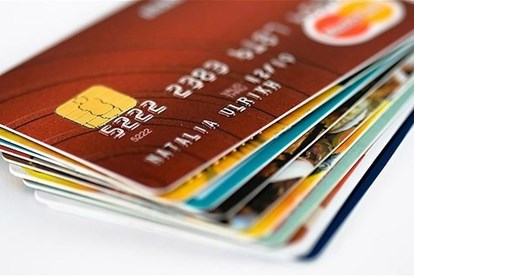
Converting magnetic card to chip card: What is the benefit for users?
According to the plan, from May 28, Vietnam ATM card market will switch from magnetic card technology to chip card. The first seven banks to carry out the transformation are Vietcombank, VietinBank, BIDV, Agribank, Sacombank, TPBank and ABBank. Minimize the risk of losing money due to data theft and card counterfeiting Mr. Nguyen Quang Minh
Details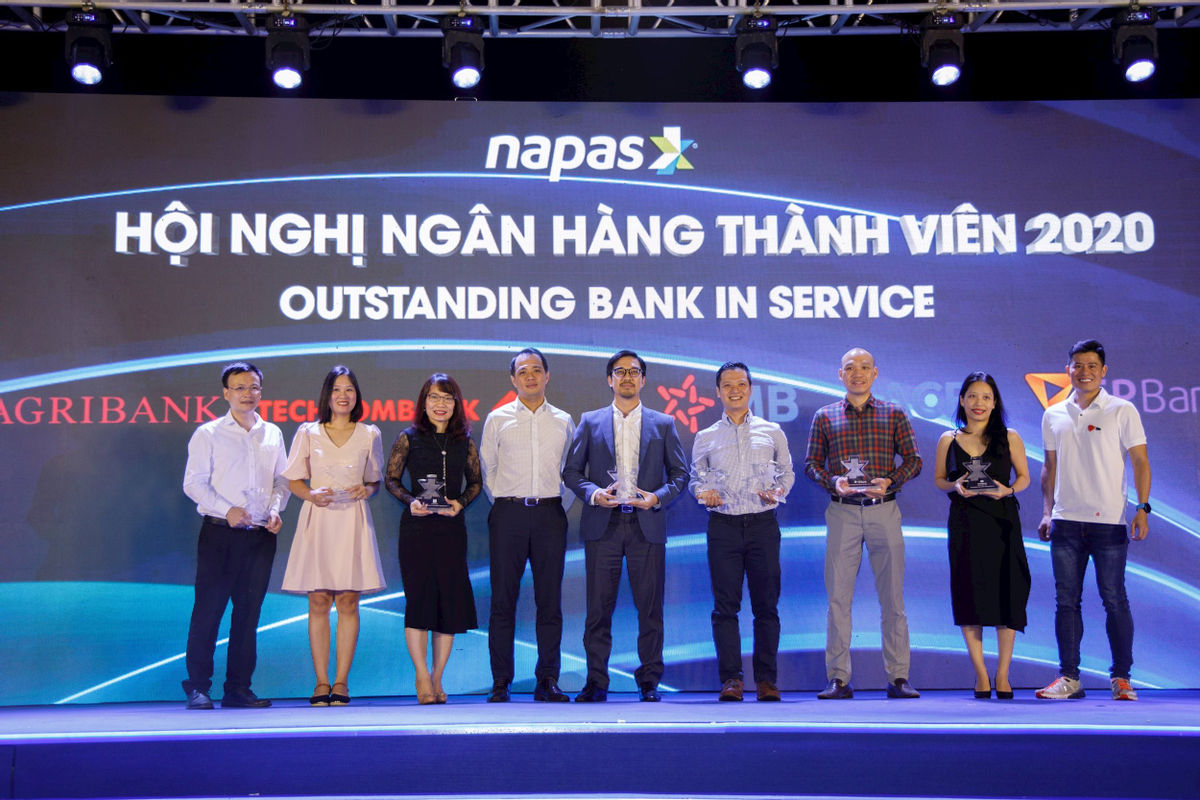
COVID-19: An opportunity for breakthrough non-cash payment services
According to the Vietnam National Payment Joint Stock Company (NAPAS), by 2020, the number of fast money transfers 24/7 surpassed the number of ATM withdrawals and accounted for nearly 66.6% of the total. the number of transactions processed by the NAPAS system. On November 13, Vietnam National Settlement Joint Stock Company (NAPAS) held the 6th
Details
PVcomBank ‘chipizes’ local ATM cards
PVcomBank has just converted all bank ATM cards made from magnetic tape technology to the most advanced EMV chip technology, helping customers to transact safely and enjoy many modern payment utilities. Customers are assured when making financial transactions Domestic card (ATM) is one of the most popular payment methods in Vietnam today. Cardholders can use
Details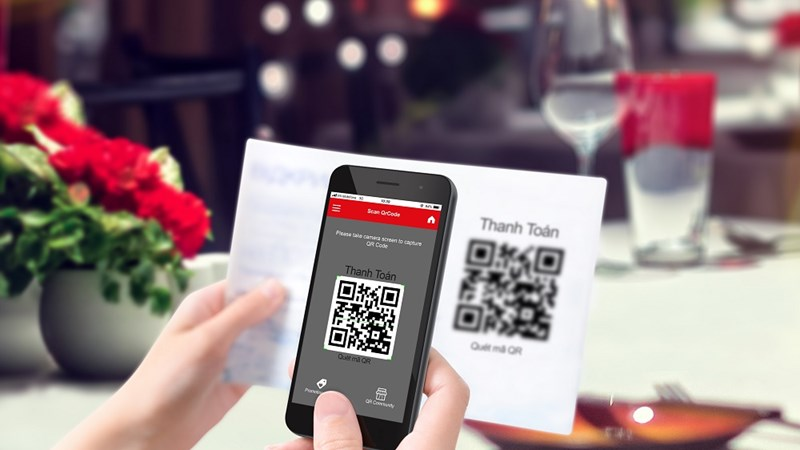
QR code payment – New trend of modern young people
At any location, even without carrying a wallet, cash or bank card, you can confidently pay the bill in a snap with QR code (payment by QR code) via mobile banking. This trend has become a modern payment trend for many young people today. “Very fast, every time I go out to eat and drink,
Details