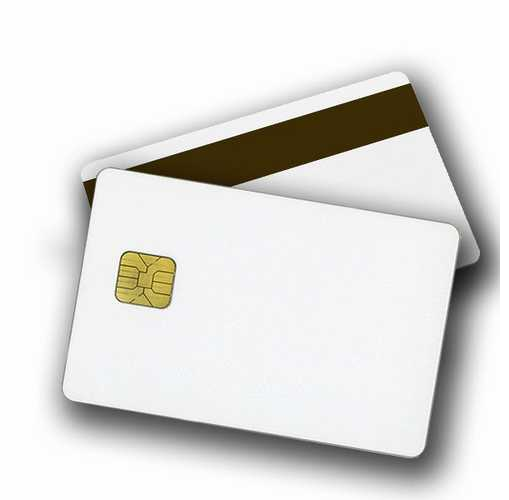
Many countries around the world have been converting smart card usage into many different service industries such as Sim cards integrated payment in telecommunications, applications in automating bus ticket payment. , tram in the transport, electronic identity cards in the field of state management or the type of payment card of the banking industry ….
With more and more applications in various industries, smart card market is growing rapidly in the past few years. Smart cards are used most in telecommunications as a SIM card. However, applications in many other fields such as transportation, government, financial services are also invested and deployed because of the outstanding advantages of smart cards such as large data storage capacity, fast processing. Quick and effective data security methods.
According to RNCOS’s “Card Market Forecast to 2012” report, smart cards grew more than 10% in 2010 compared to 2009, in which the market was largely held by four major companies, Gemalto, Oberthur, Sagem Orga (Ingenico) and Giesecke & Devrient. Also according to this report, the number of smart card projects also increased worldwide with a high degree of diversity and high technology demand.
Moreover, the economic boom and high technical requirements in the field of digital security also increase the level of demand for smart cards. According to a study, the smart card market will achieve double-digit growth (CAGR of about 12%) between 2011 and 2013.
In the banking sector, the EMV card alliance (Euro Pay, MasterCard and VISA) is the foundation for many investment banks to deploy smart card issuance solutions. Around the world, countries have transitioned to the EMV system for a long time. Europe changed in 1996, typically France and England. Asia – like Japan and South Korea also conducted from 2003-2004. In Southeast Asia – Malaysia and Singapore were the first countries to convert their card payment systems to the EMV standard since 2005, followed by Thailand, Indonesia, Philippines and Vietnam. According to EMVCo, by the end of the first quarter of 2011, about 1.2 billion EMV chip cards have been issued and 18.7 million POS points accept EMV cards in operation worldwide. These figures are equivalent to 40.1% of the total number of payment cards in circulation and 71% of the number of POS installed globally.
Also according to this report, the expected average growth rate of contactless card technology from 2011 to 2013 is about 24% covering many different areas such as mobile payment, transportation or digital proof of goverment.
Other News

Banks warn of fraud through Corona virus disease prevention messages
Taking advantage of Corona virus prevention messages sent to customers, high-tech criminals spread malicious code to steal or trick users into providing information by stealing transaction passwords. at the bank. Recently, Vietnam Maritime Commercial Joint Stock Bank (MSB) issued a warning to customers who are wary of criminal activities that have taken advantage of propaganda
Details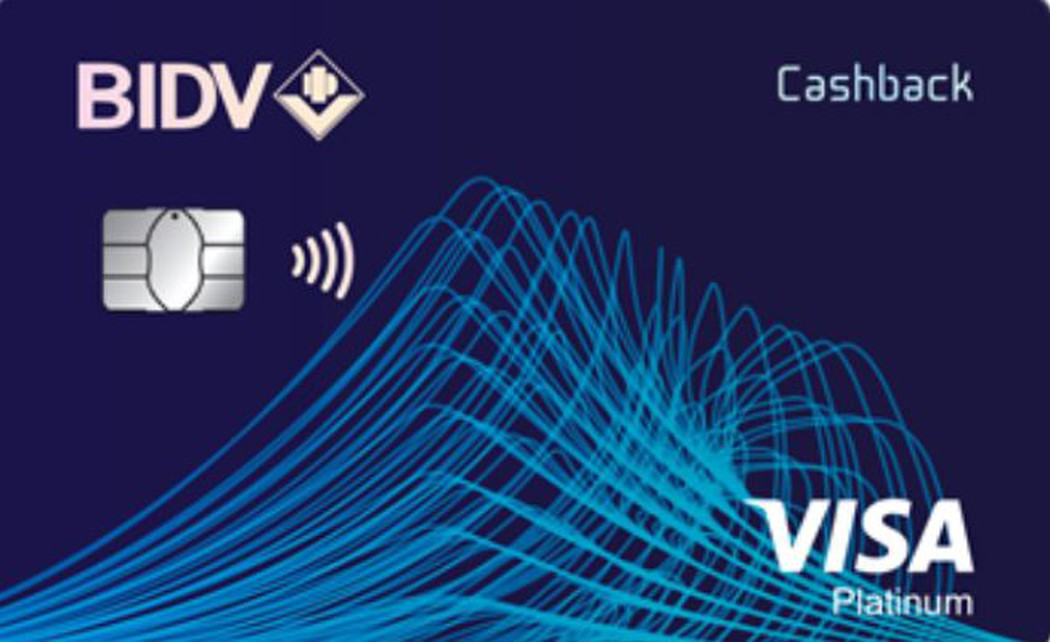
Payment trends Contactless card to the throne
With many utilities and high security, contactless cards (contactless cards) are forecast to be the payment trend in the near future, especially in the context of COVID-19 epidemic situation is complicated and concerns. about spreading the disease when using cash The World Health Organization (WHO) recommends using contactless payment – contactless or using smartphone applications
Details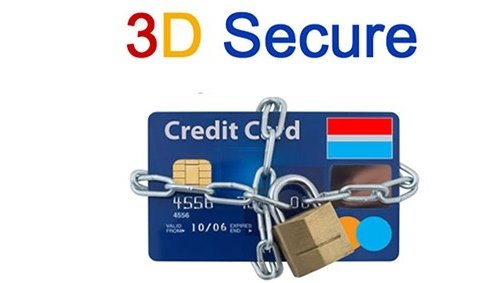
Unknown things about 3D Secure security solution
3D Secure is the leading secure online payment security solution today, helping customers minimize risks such as fraud, card information theft … 3D Secure is the most advanced, secure online payment security solution today. The authentication of online payment transactions via OTP messages (One Time Password – one-time password) allows Visa cardholders to actively authenticate
Details
Convert chip cards: Determined determination, lack of time
The State Bank of Vietnam has set a roadmap by the end of 2021, 100% of bank cards and devices that accept cards in Vietnam must be converted to chip standards. Banks are determined to convert cards even though there are still some problems. Talking to Tuoi Tre, Mr. Nguyen Minh Tam – Deputy General
Details
Bustling conversion of magnetic cards to chip cards
The change from magnetic card to chip card will limit the situation of criminals stealing card data to make fake cards to withdraw money … “The cost to produce a chip card is about 8 to 10 times higher than that of making a card, so with the existing number of existing customers using our
Details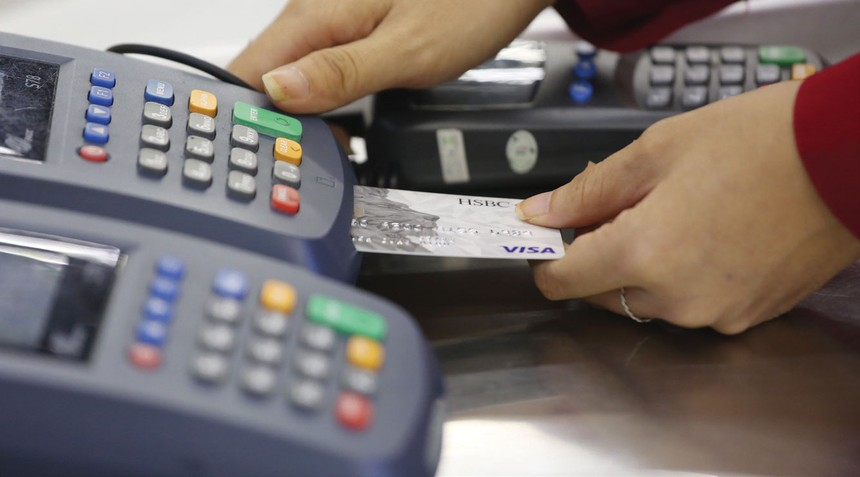
Be cautious of the wave of personal credit default due to the Covid-19 epidemic
The Covid-19 epidemic caused heavy losses to production and business activities, and accordingly, the number of unemployed also increased sharply, all cautious for credit card default may not be redundant. Fall into the “debt net” for using a credit card NTH, a new employee at a joint-stock commercial bank in Hai Ba Trung, Hanoi, said:
Details