
Banks are actively converting magnetic cards to chip cards, and it is expected to complete the conversion next year, according to the State Bank’s schedule.
According to Mr. Nguyen Trong Duong, Deputy Director of Information Security Department (Ministry of Information and Communications), along with the explosion of technology 4.0, the gaps causing cybersecurity insecurity are increasing at a speed. 300% / year.
Cyber attacks take place every minute and mobile devices become popular targets. In these attacks, the bank is one of the regular targets of cyber criminals.
Security and security issues are always a challenge that banks must put at the top of the digital revolution today.
Technology transformation
According to many technology experts, the increase in card payment brings many benefits to the society, but with payment service providers, they face potential risks.
Usually, international credit cards have two uses: payment for goods, services and cash withdrawal. The cardholder is the only person who knows the personal identification number (PIN). In case the cardholder accidentally discloses this code and at the same time loses the card without notifying the issuing bank, due to some coincidence, the person who got the card also knows the PIN number, they can Use your card to withdraw cash at an automated teller machine (ATM).
Therefore, many banks have equipped security tools for ATM systems. Because coke cards are always located in banks, while ATM systems must also be invested carefully, ensuring the safety of the card system.
Currently, banks have invested carefully and connected ATM between banks as well as the whole ATM system and must always be upgraded. On the other hand, the process is mostly by banks in the retail sector, but security and security are placed in the information technology block, so a homogeneous process is also needed.
Convert magnetic cards to chip cards for added security
To control risks in e-payment activities, many banks have recently focused on investing in high-tech chip cards.
According to the State Bank’s roadmap, the whole system will complete this conversion in 2021.
Mr. Du Xuan Vu, Director of Technology Division of OCB said: The benefits that banks gain when making the conversion not only in the short term but also in the long term such as: Limiting the risk of fraudulent transactions. , ensure safety and security for customers.
To avoid confusion, OCB will issue new chip cards from the end of 2019, the card is due, and then it is time for the required conversion time for all customers. Switching to chip cards will overcome card theft of card data criminals to create fake cards to withdraw money.
At OCB, not only is customer security, but also our digital technology experience
According to Mr. Vu, from December 2018, OCB started implementing the project of standardizing the system according to the PCI DSS standard.
After one year of implementation, OCB completed the project and received the PCI DSS certificate, as a result of efforts in continuous improvement, raising security standards, and increasing control of operations. card.
Thereby, the bank has made significant changes and breakthroughs in its products, services and technologies such as: Customers experience payment transactions with modern technology – contactless payment (contactless) ; Successful application of 3D – Secure technology platform, OCB credit card ensures security when making transactions, serving as a platform to further expand connectivity and provide more diverse products and services. finance in the ecosystem, firstly with schools and hospitals.
“OCB is a pioneer in digitizing account opening service, this is also a highlight of the Bank. With 3-5 minutes, customers can open an online account, then have a contact staff to complete the procedures for the day. and customers can experience OCB OMNI immediately without having to visit a bank branch “.
In particular, recently, the Bank has launched Open API – Open bank ecosystem. This is considered one of the technologies that will completely change the banking and finance industry coming.
In Vietnam, OCB is one of the pioneer banks with an open banking model with Open API platform. OCB’s Open API has been exploited and applied to many services in many different models with outstanding growth after more than 6 months of official application.
However, Mr. Vu emphasized: The competition in digital transformation as well as the development of services in the financial sector to attract customers of the bank is getting bigger and bigger. In the past, customers’ choices were small and passive, but now customers are completely active and have many choices. Therefore, requiring banks to offer appropriate products to attract customers.
Currently, OCB is cooperating with AirPay, VnPay, Momo … to help customers pay their electricity, water and Internet bills, recharge their phones right on OCB OMNI application or transfer money via wallets to shop, pay for translation. service.
(Source: Cafef.vn)
Other News
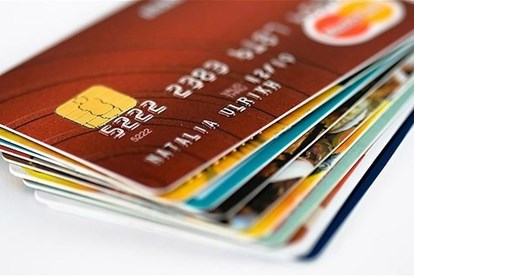
Conversion of chip cards – one of the major goals of the State Bank
According to the SBV’s roadmap specified in Circular No. 41/2018 / TT-NHNN, by the end of 2020, 100% of ATMs and card acceptance devices at point of sale operating in Vietnam of card payment institutions must Comply with local standard chip card. The first domestic chip cards from Vietnam were officially launched on May 28,
Details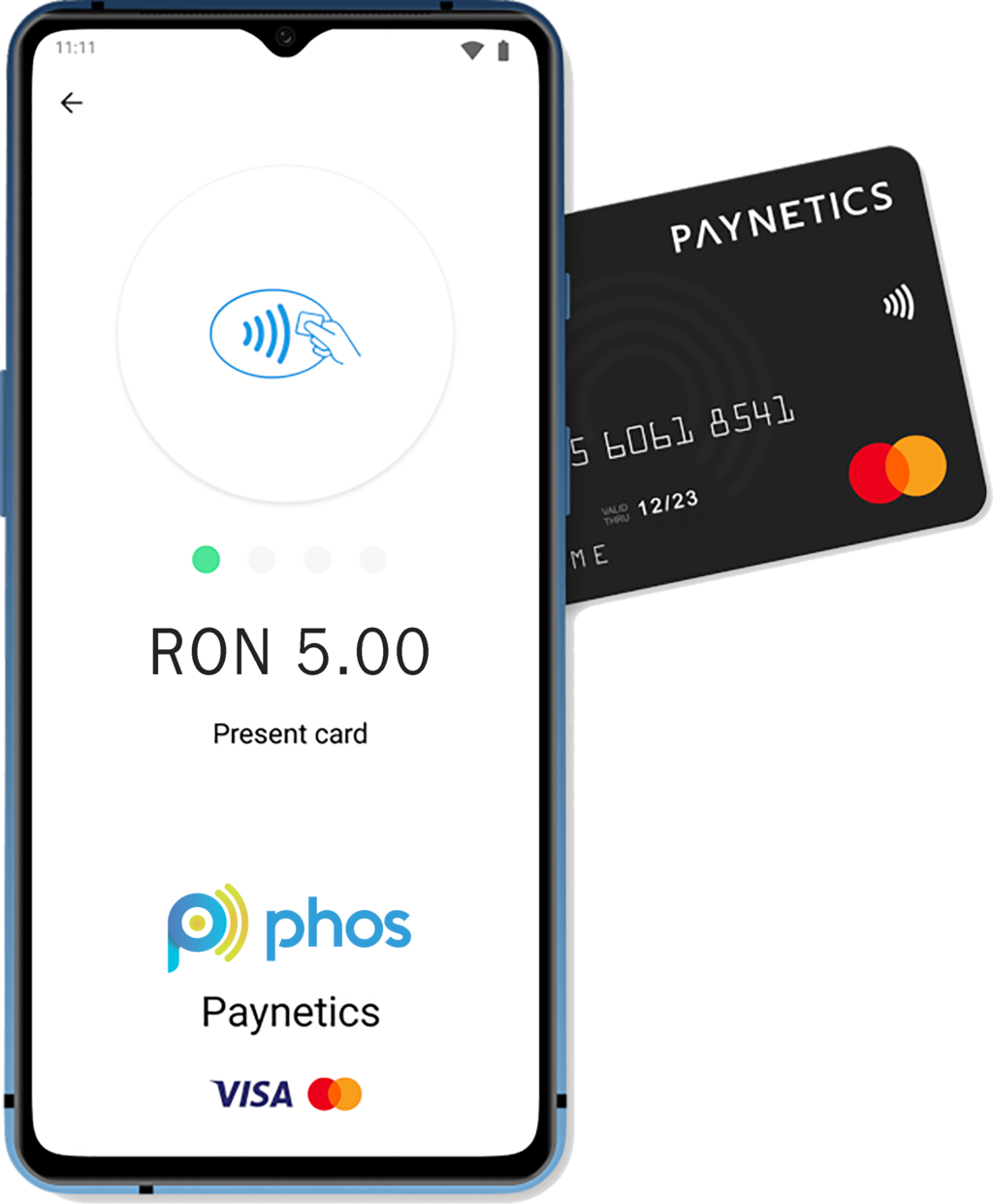
4 EUROPEAN COUNTRIES PAYMENT WITHOUT EXPOSURE WITHOUT ANDROID NFC AND PHONE
Merchants in 4 countries including the UK, Germany, Bulgaria and Romania will participate in testing the new mobile POS service (mPOS) to allow contactless payments to be accepted on Android mobile devices without the need for additional any “lock or hardware”. Mastercard has partnered with new software companies Phos and Paynetics specializing in mobile POS
Details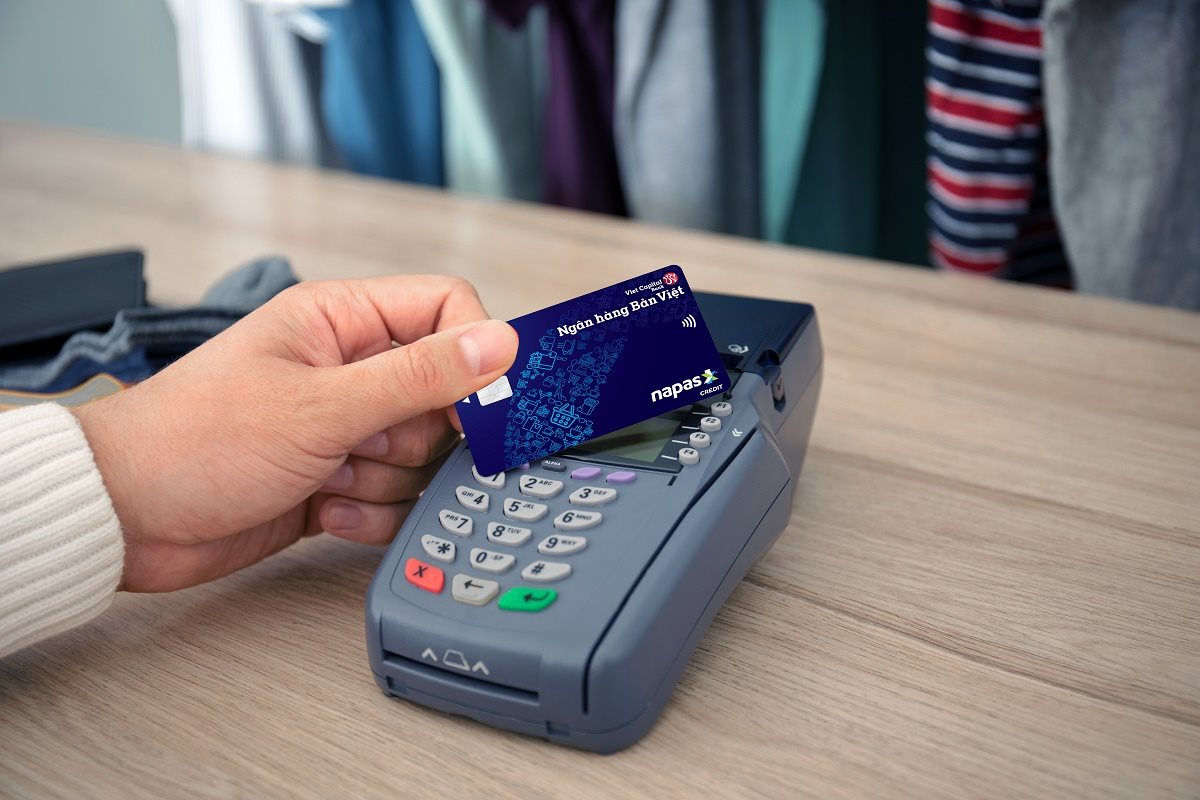
Domestic credit cards: Increasing convenience for customers, repelling black credit
The advantages of domestic credit cards have attracted customers’ attention and are expected to contribute to repelling black credit. In recent years, the COVID-19 epidemic has had a great impact on the banking and financial market in general and the payment sector in particular. However, this is also an opportunity for non-cash payment services to
Details
Top 10 most typical IT events in 2019
TTO – Revolution 4.0, E-Government, AVG trial, 5G network testing … were voted as the top events in the top 10 ICT 2019 events Top 10 most typical IT events in 2019 – Photo 1. In 2019, Vietnam announced the strategy of “Make in Vietnam” with the goal of proactively, creating, designing, integrating products in
Details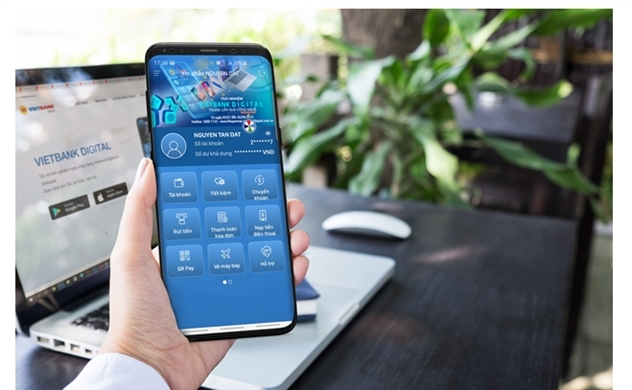
Vietbank Digital: Towards a society without cash
Vietbank Digital is directing users to switch to a cashless payment society, while contributing to preventing the spread of the covid epidemic 19. Exempting all registration fees, annual fees, account management fees and reducing interbank transfer fees along with contactless payment technology, Vietbank Digital is directing users to switch to a cashless payment society. It
Details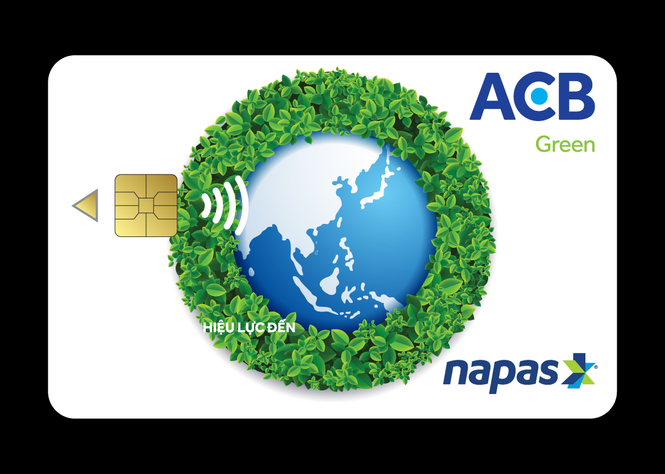
Transact safer with ACB Green domestic debit card
Catching up with the 4.0 technology trend, the ACB Green domestic debit card according to VCCS standard (Vietnamese chip card technical standard) is deployed to apply contactless technology (contactless payment) to provide a quality experience. quality for young people. Safety and high security As one of the pioneering banks to grasp the inevitable trend of
Details