Ready to convert
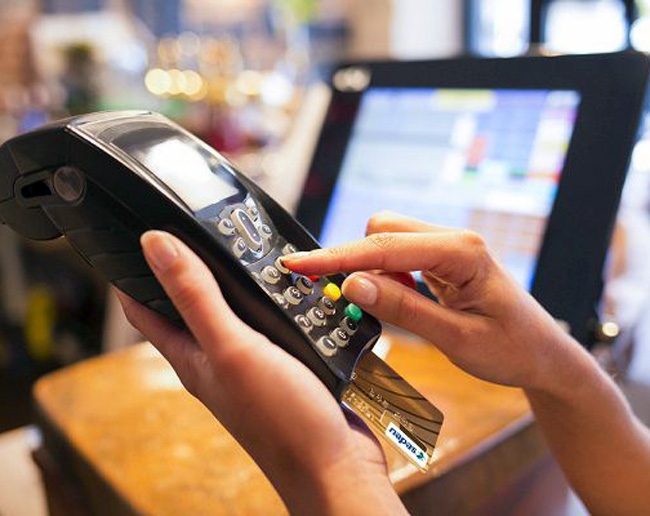
By the end of 2018, the SBV issued Circular No. 41/2018 / TT-NHNN, supplementing the basic standards on domestic chip cards, which are the basic set of the SBV’s standards on internal payment card technical requirements. geophysical and contactless technology in Vietnam; Specific route requirements for the conversion of all ATM cards made from magnetic cards to chip cards. Specifically, by the end of 2019, at least 30% of cards with BIN (card issuer code) issued by the State Bank of Vietnam from card issuers must comply with the local standard for domestic chip card cards. By the end of 2021, this ratio will reach 100%. Sharing the roadmap for converting magnetic cards into chip cards, Deputy General Director of Vietnam National Payment Joint Stock Company (NAPAS) Nguyen Quang Minh said that up to this point, the process of preparing for the process, lowering floors, resources, technology, … almost completed to be ready to support all commercial banks (commercial banks) in the process of converting magnetic cards to chip cards, as required by the State Bank issued at Circular No. 41. VCCS has also been developed by NAPAS according to a specific standard for the Vietnamese market, compatible with EMW international standards.
According to representatives of some commercial banks, from May 28, some banks started to release ATM cards made of chip technology with high security to replace the existing magnetic cards. In the short term, this year, 21 million ATM cards will be converted into chip cards, accounting for about 30%, by the end of 2021, all cards in the market will use new chip card technology. Information from NAPAS also shows that up to now, there have been seven banks participating in the conversion: Vietcombank, BIDV, VietinBank, Agribank, TPBank, Sacombank and ABBank. These are the banks with a large number of cards, estimated to account for about 70% of the total number of cards in the market. Also according to Mr. Nguyen Quang Minh, the application of chip card technology standards is necessary because it helps limit skimming (stealing information to make fake cards), or fraudulent transactions of individuals and organizations. Foreign institutions with bank accounts and cards. In addition, the application of chip card standards between credit institutions and payment service providers will bring many benefits to customers from payment speed to information security. “The advantage of contactless chip cards is that transactions are very fast, with small value transactions (estimated at less than one million) will not need to enter PIN / signing and still be able to trade,” he said. Nguyen Quang Minh stressed.
Increase ATM card security
Besides the conversion of magnetic cards to chip cards of banks, an issue that many cardholders are concerned about is whether they will cost money when converting. In fact, the cost to produce a chip card is quite much higher than a conventional magnetic card. Up to this point, there has been no official document of the parties regarding regulations on card conversion fees. However, according to sharing from some bank leaders, each unit will have its own policies for this issue. “In fact, the cost of making new cards accounts for only about 2-3% of card issuance costs. Therefore, the cost of converting a magnetic card to a chip card will not be as high as the issuance of a regular new card, ”said NAPAS leadership. Regarding conversion costs, Chairman of Vietnam Bank Card Association Dao Minh Tuan said: Banks will have to work with partners, calculate appropriate conversion costs. Banks themselves will also balance the cost of conversion to ensure efficiency and not affect the current card acceptance system. Therefore, the bank may be divided into several stages, giving priority to conversion for customers with regular transactions first. The conversion process is expected to be carried out step by step, not massively. In the immediate future, banks will conduct a review of the cards that are about to expire and new customers register. At the same time, it is exchanging rolling to not affect customers’ transactions.
According to General Director of TPBank Nguyen Hung, TPBank has soon completed the upgrade of its ability to accept chip cards simultaneously for both domestic and international card management systems, improving the security and convenience for customers to use. card. TPBank has also integrated contactless technology for both international and domestic cards, so customers do not need to swipe or insert the card into the slot on the POS / mPOS machine, just hold the card. At a glance, the device was able to read the information on the card thanks to the built-in antennas. In addition, a VietinBank leader also said that the bank has issued ATM cards using EMV chip technology. With EMV chip cards, the security of the card will be much higher than that of magnetic cards because card criminals cannot copy data to make fake cards and withdraw money, as they do with magnetic cards.
Other News
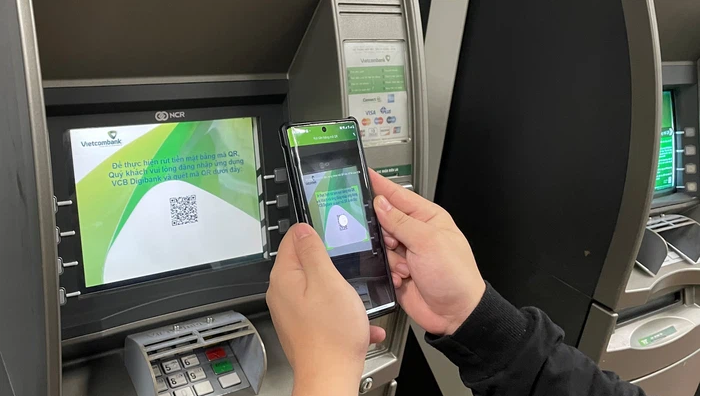
Cash withdrawal at ATMs without using physical cards
Vietcombank applies QR technology to the ATM withdrawal service, helping customers withdraw money easily and quickly without having to carry a card … Vietcombank applies QR technology to its ATM withdrawal service, allowing customers to withdraw money easily and quickly without having to carry a card. Today, all Vietnamese people are no longer familiar with
Details
BIOLOGICAL TECHNOLOGY: SECURITY COURSE OF BANKING IN THE FUTURE
The following article discusses IDEX Biometrics ASA’s Vice President, David Orme about the concerns of Generation Z (those born from 1995 onwards) on online banking security. and the importance of biometric technology to the younger generation. The payment ecosystem continues to grow due to the ever-increasing interest in payment methods. Today, Generation Z is considered
Details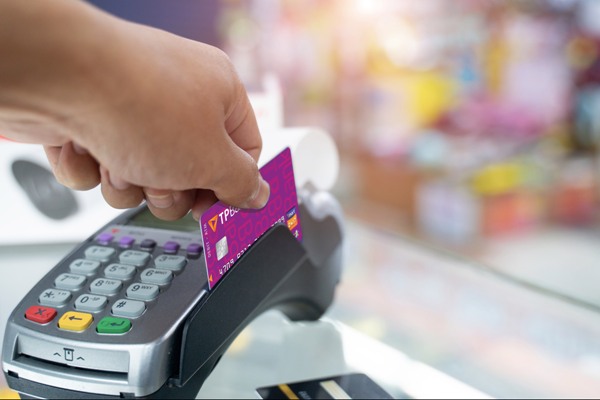
The first Vietnamese bank allowing customers to use domestic cards for transactions in Korea
In addition to international debit cards or credit cards, TPBank has allowed all domestic cardholders to make instant payment and withdrawal transactions in the Korean market. Tien Phong Commercial Joint Stock Bank (TPBank) has successfully implemented the project of 3-party connection between TPBank, Vietnam National Payment Joint Stock Company (NAPAS) and BC Card Company –
Details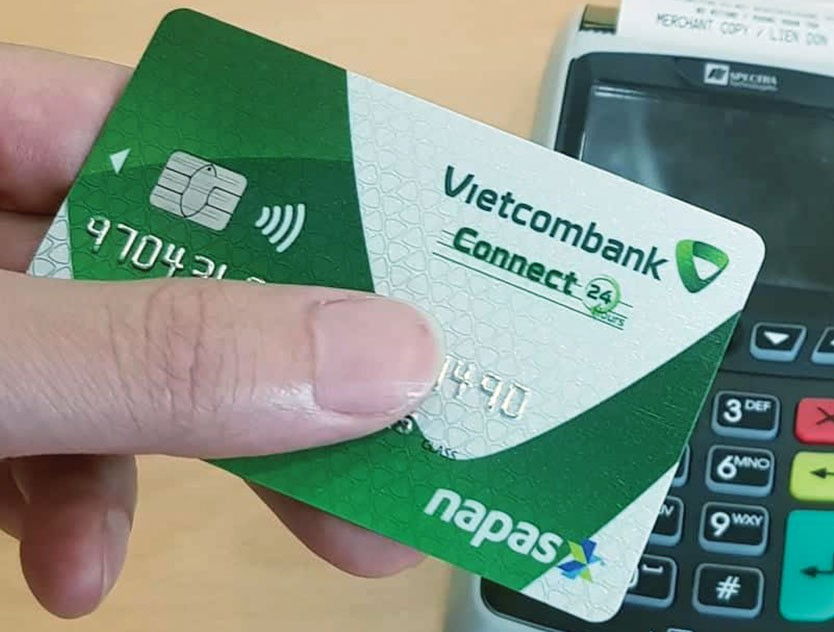
Investing in CHIP cards is an investment for the future
That is the affirmation of Ms. Nguyen Tu Anh, Chairman of the Vietnam National Payment Joint Stock Company (Napas) with the Securities Investment Review. There is an opinion that the card development speed will slow down due to the emergence of new electronic ecosystems, what do you think about this? According to statistics of the
Details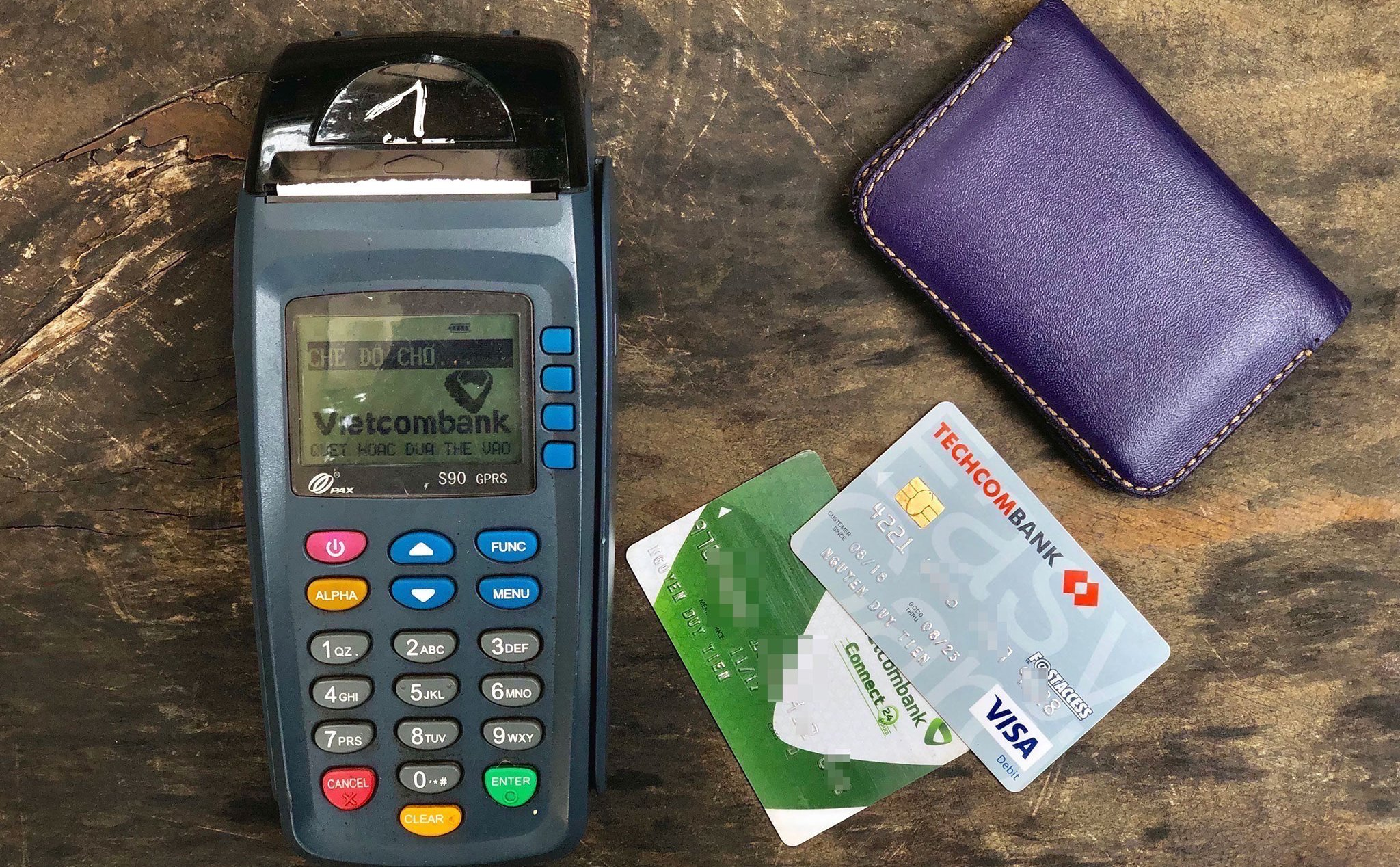
Card payment: Swiping cards, Inserting chip cards, and paying with smartphones, which form should I use?
Currently there are many ways to pay with a POS card when we buy, shop, … But in Vietnam, there are 3 most common payment actions are Coffee card Insert the card with the chip Add a card to Smartphone to pay (Currently only Samsung Pay) I share a bit about the action of the
Details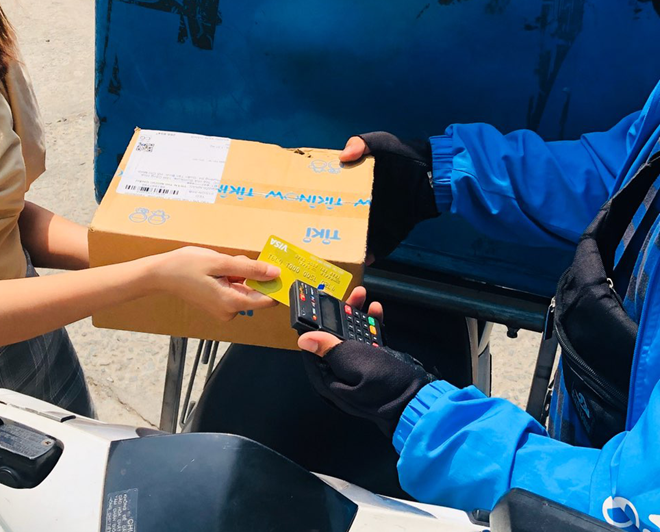
Visa and NextPay promote cashless payment in Vietnam
Visa – the digital payment network and NextPay – a provider of digital transformation solutions for small and medium enterprises (SMEs) in Vietnam and signed a strategic agreement to promote cashless payment in Vietnam . The goal of the joint agreement of Visa and NextPay is to develop and expand the network of digital payment
Details