That is the affirmation of Mr. Safdar Khan, a veteran member of Mastercard, who has just taken on the role of the Group’s head of emerging markets in Southeast Asia.
According to Nikkei, in Asia, in the battle of electronic payment, Visa and Mastercard are facing many challenges when credit cards seem to be losing to electronic wallets. How does Mastercard comment on this idea and what are the future options?
Mastercard has long supported breakthrough efforts before challenges, instead of choosing to avoid. As a global payment technology company, Mastercard always accompanies Fintech, including e-wallet issuer.
We help Fintech companies move up the new ladder by connecting them with future technology partners, radical solutions and paving the way for creativity.
Like Mastercard, e-wallet companies in particular, Fintech in general has the goal of further expanding the borders, creating space for Fintech to unleash their creativity to create a safe and effective environment. More comfortable for everyone.
In today’s technological world, the way we interact, daily activities have changed dramatically. The rise of Fintech also partly creates an increased efficiency for the work that Mastercard is carrying out in the payment environment.
Together, Mastercard can maintain the goal of ensuring each individual / business has the choice, flexibility and comfort in managing and spending their money anytime, anywhere.
How does Mastercard rate Fintech in Vietnam? Do you have a specific strategy for cooperating with Fintech?
In my opinion, Vietnam has become a Fintech center in ASEAN. In particular, Ho Chi Minh City and Hanoi emerged as the “capital” of Fintech and technology, especially when in 2019, 36% of investment capital in Vietnam flowed into this field.
Many investors consider Vietnam to be a key market for peer-to-peer lending (P2P lending), credit rating and mobile payment …
This is why we want to bring to the market special innovations such as Start Path, Mastercard’s start-up program for startups and Fintech Express, which enable Fintech to accelerate further. near market.
Such initiatives will help promote the growth of Fintech companies, especially small ones.
In the overall picture of the region, how is the growth potential of non-cash payment in Vietnam evaluated? Is there any lesson from the previous market that Vietnam can refer to?
Vietnam is a very attractive market. Just by looking at the numbers below, it’s easy to see why businesses are feeling so excited about joining the market.
As of September 2019, there were 59 million Internet users in Vietnam. According to GlobalWebIndex, 78% of internet users in Vietnam aged 16 – 64 have ever shop online. In 2018, Vietnamese consumers spent nearly 6 billion USD when buying goods online.
Vietnam’s e-commerce market is expected to become the second largest market in Southeast Asia, just behind Indonesia in the next 6 years.
According to the Payment Department of the State Bank of Vietnam, transactions via mobile applications in 2018 increased by 126%, while via e-wallets increased by 161%. This is an impressive growth step.
Notably, the Government has taken measures to promote electronic payment activities, including cards, e-wallets, mobile applications and Internet Banking.
These policies, along with the development of Internet, smart mobile popularization in urban areas, increasing income and consumption, the growth of e-commerce … have created a solid foundation to help. The application of electronic payment methods is further developed here.
However, despite the aforementioned efforts, cash is still favored by consumers and businesses, especially in everyday transactions.
To overcome this, it is necessary to reorient consumers about the need for non-cash payments and practical benefits.
Users need to know how to use electronic payment and why this method is safer and more effective than cash.
In addition, payment technologies should also be developed to help economic organizations expand their operations, able to implement modern payment methods for people living in isolated areas, far.
We have no doubt that Vietnam will soon become a cashless country. That is why Mastercard is actively cooperating with the Government and partners – banks, Fintech, businesses to improve options with electronic payment.
Other News
Banks warn of fraud through Corona virus disease prevention messages
Taking advantage of Corona virus prevention messages sent to customers, high-tech criminals spread malicious code to steal or trick users into providing information by stealing transaction passwords. at the bank. Recently, Vietnam Maritime Commercial Joint Stock Bank (MSB) issued a warning to customers who are wary of criminal activities that have taken advantage of propaganda
Details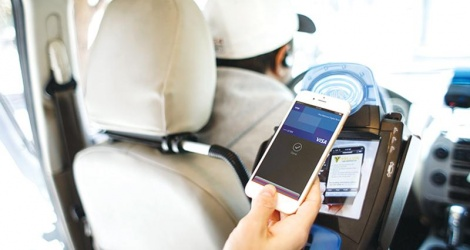
Application of smart chip cards in the transport sector: Vietbank deploys smart bus cards
Passengers can use the smart bus card to make inter-payment for all future public transport in the future. Vietbank has just organized an event to announce the successful implementation of the smart payment card project for public transport activities on December 26 in Ho Chi Minh City. According to Vietbank representative, the smart card payment
Details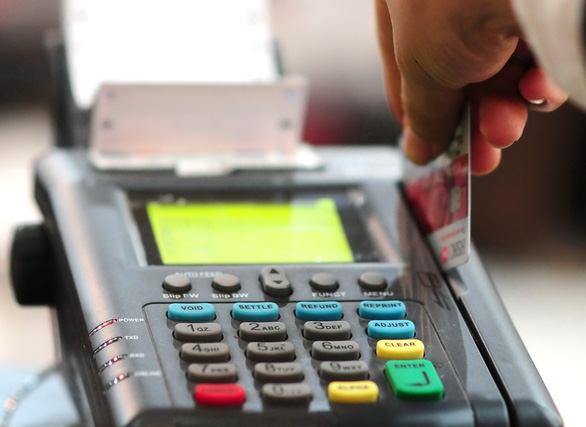
Cashless payments increasingly prevail
After years of getting used to cashing out, many people have turned to non-cash payments. It is forecasted that this trend will increasingly prevail in 2020 when 63% of adults in Vietnam have a bank account. Vietnam National Payment Company (Napas) said that in 2019 Napas switch systems grew 80.2% in the total number of
Details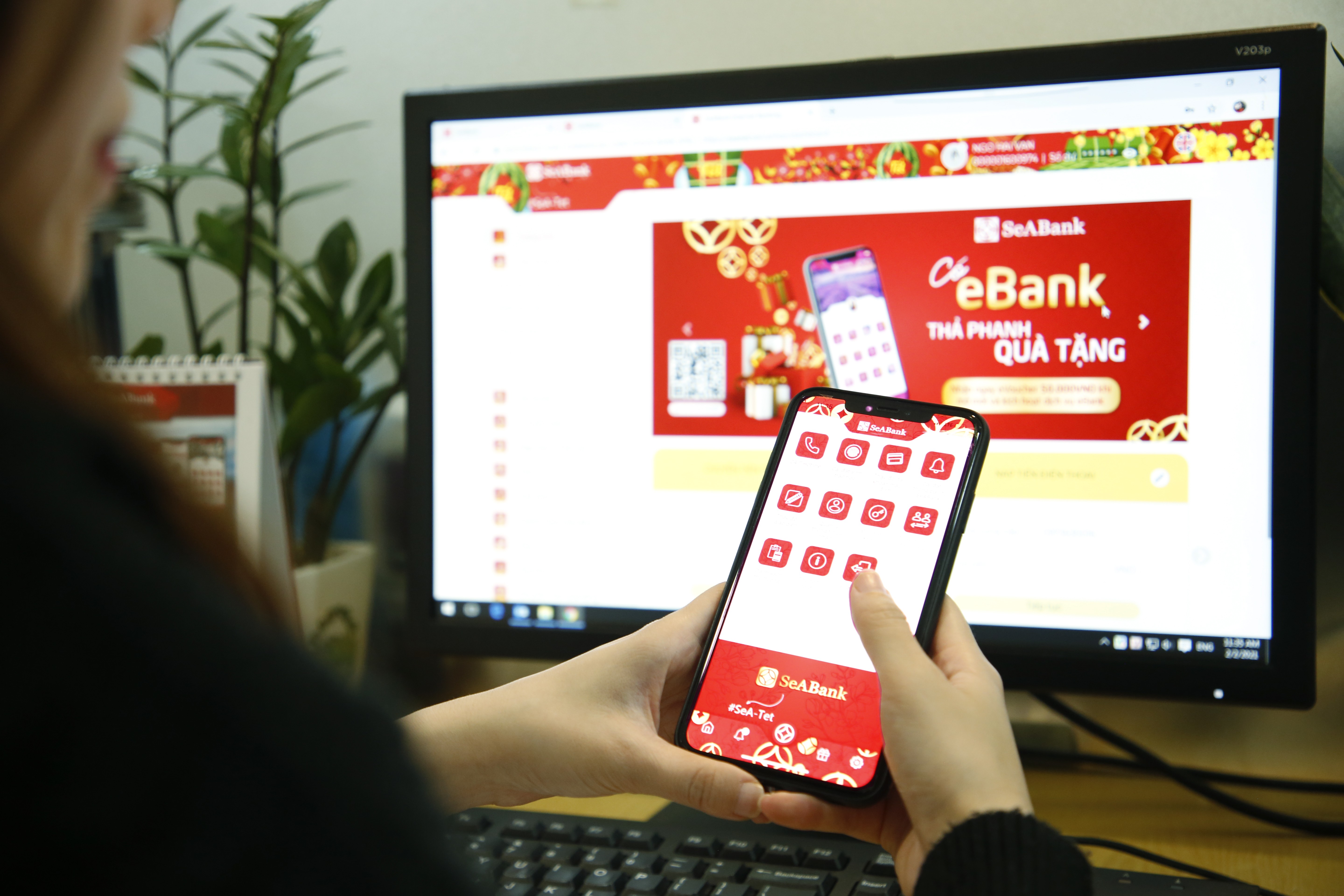
SeABank invests in artificial intelligence, accelerates the digitization of banking operations
Considering digitalization as an important pillar in the bank’s development, Southeast Asia Commercial Joint Stock Bank (SeABank) has continuously upgraded its infrastructure, especially investing in a new artificial intelligence (AI) system. improve the customer experience and optimize the Bank’s operations at the same time. Since 2005, defining technology as a key factor to develop banking
Details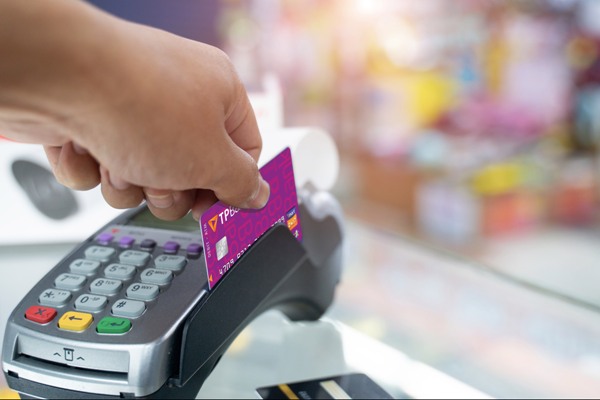
The first Vietnamese bank allowing customers to use domestic cards for transactions in Korea
In addition to international debit cards or credit cards, TPBank has allowed all domestic cardholders to make instant payment and withdrawal transactions in the Korean market. Tien Phong Commercial Joint Stock Bank (TPBank) has successfully implemented the project of 3-party connection between TPBank, Vietnam National Payment Joint Stock Company (NAPAS) and BC Card Company –
Details Electronic payment with public services: Benefit both ways
Techcombank is a typical commercial bank going early and comprehensively, leading the promotion of electronic payment channels, increasing utilities for people. At the beginning of 2020, the Governor of the State Bank of Vietnam (SBV) issued Directive No. 01 / CT-NHNN requiring the banking industry to speed up non-cash payments, especially via bank payment for
Details